
Speakers
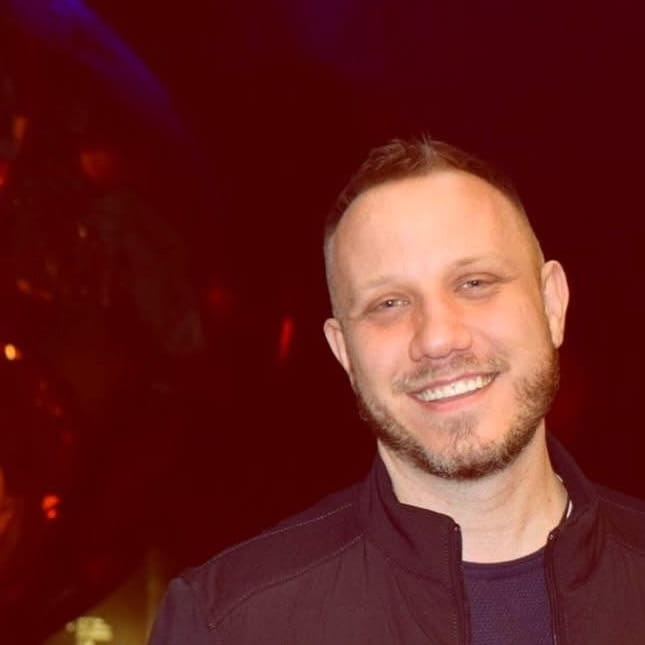
The Arberesh Language of Southern Italy: Is it really a dialect of Albanian?
I will talk about being a second generation heritage speaker of one of Italy's most unique regional languages. My own dialect is spoken by no more than 10,000 people, and my sub-dialect by no more than 1000! What is the Arberesh language? Is it really a dialect of Albanian or can we assert that it is its own independent non-standardised language?
I was born in the UK to parents born in the UK and yet I have grown up able to speak our heritage language. I completed a Masters in Language Documentation and Description from SOAS University of London and my thesis was on Translanguaging as a possible solution to language maintenance issues, using the case of Arberesh.
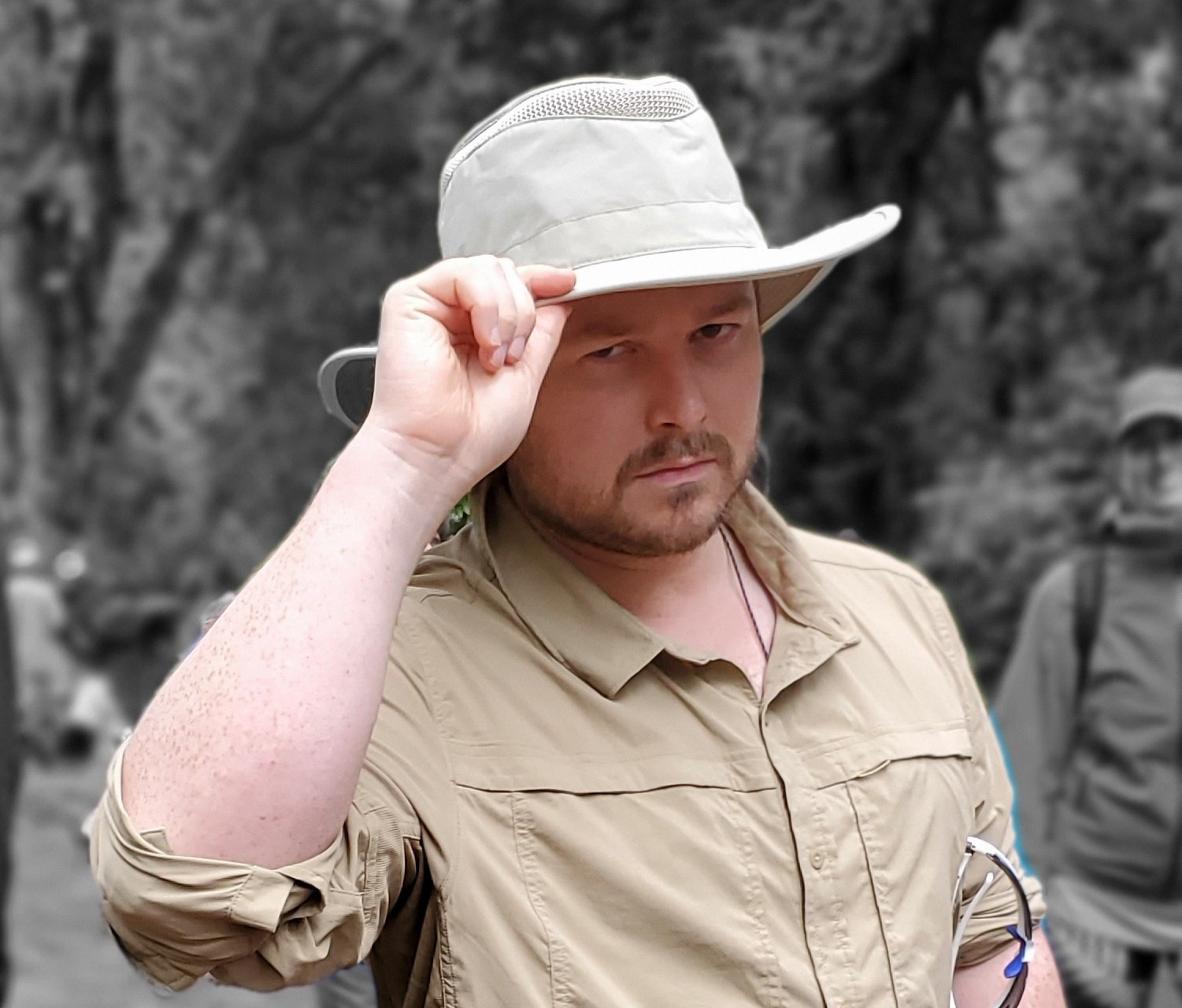
How to be a nomadic polyglot for a quarter of a century
Benny Lewis has been travelling the world for around 24 years, using the theme of language learning to allow him to travel much deeper than typical digital nomads. Rather than popping into tourist-filled cities and then leaving, he has spent years in individual countries, going as deep as to visit every single state of Brazil and spending months in the Amazon all through Portuguese, going way beyond Bali and appreciating Borneo, Java, Sumatra and Sulawesi of Indonesia through Indonesian, or by covering 2,000km by bus or train in both Mexico and China, also using the local languages.
In this talk, Benny will outline the practical ways he makes this work, from how he went about selling a house's worth of junk to allow him to be truly minimalist and have all his possessions in the world weigh 23kg, how he manages to live this lifestyle while making sure it costs *less* than settled life ever did, and most importantly, how his language learning strategy is tightly integrated into his unique travel style and how languages completely transform his travel experience compared to the many monolingual digital nomads he meets.
Benny Lewis been nomadic for most of his life, travelling the world to learn languages. He founded the blog, Fluent in 3 Months, and wrote the international best-selling book of the same title, which has been translated to dozens of languages. He has given TED talks, is a National Geographic Traveller of the Year, a European Union language ambassador, and has millions of views across his YouTube channel and Tiktoks.
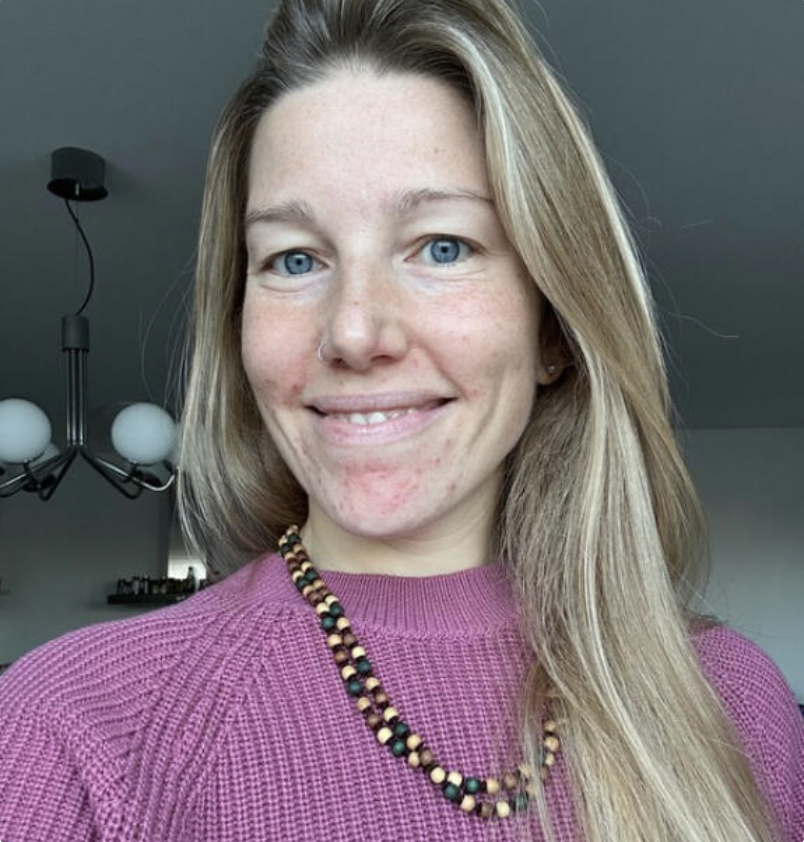
It’s All Greek to Me… So I Asked ChatGPT: A Language Learning Experiment
In this 20-minute presentation, I will share a personal and professional experiment: learning Modern Greek using only ChatGPT as my guide. As a language teacher, I am deeply familiar with how students acquire a new language—step by step, with structured input, guided practice, and clear progression. This project was an attempt to recreate that process without a textbook, a classroom, or a teacher—starting from zero in a language I had never studied before.
Using my teaching experience as a foundation, I designed a learning path similar to the one I use with my own students. I prompted ChatGPT to generate materials, explanations, and exercises, focusing on essential grammar, core vocabulary, and meaningful practice. The challenge was not just to learn Greek, but to test whether a coherent and effective learning system could emerge purely through interaction—through asking precise questions and giving clear instructions.
In this talk, I will present the structure I followed, the types of prompts that worked best, and the results I achieved. Most importantly, I will reflect on the limitations and unexpected advantages of this method. Can artificial intelligence replace traditional language learning tools—or even the teacher? And what does this mean for the future of language education?
I am a language teacher with over 20 years of experience, having worked both in traditional classroom settings and online for the past decade, and I have taught students from a wide range of cultural and linguistic backgrounds. Alongside teaching, I am also an active language learner and am currently studying my tenth language, Modern Greek. I speak Catalan, Spanish, English, French, German, Italian, Portuguese, Dutch, and Swedish, and have learned these languages through a variety of approaches. Being both a teacher and a learner has allowed me to observe, compare, and analyze how languages are learned, and to explore which strategies and methodologies are most effective depending on the learner and context.
Losing Chavacano?: Colonial Legacies and the Language Left Behind
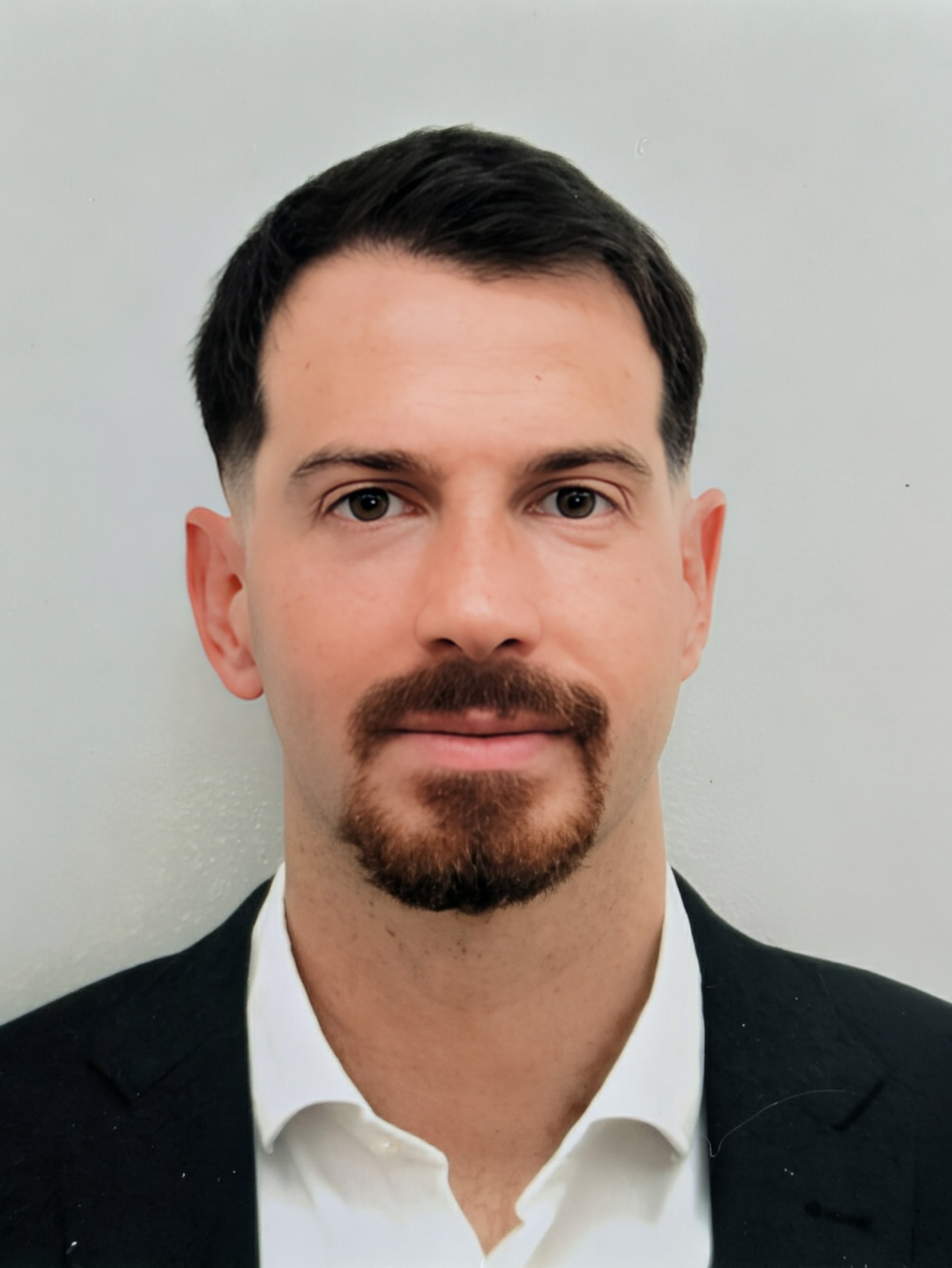
Ethnologue recently reclassified Chavacano from an educational to an endangered language on its Expanded Graded Intergenerational Disruption Scale (EGIDS), a shift that signals a dramatic decline in how the language is being passed down between generations in the Philippines. But what does this reclassification actually mean — and how did the world's most widely spoken Spanish-based creole get here?
This paper traces Chavacano's trajectory through the overlapping pressures of educational policy, globalization, and evolving language attitudes in a postcolonial setting. At the center of this story is the growing dominance of English as the primary medium of instruction, which has steadily pushed Chavacano out of the schools and institutions it once shared with Filipino and Spanish. Drawing on community voices and qualitative data, this study explores how these forces converge to put a uniquely hybrid language at risk.
Crucially, Chavacano's situation is not isolated — it unfolds against the long shadow of the Spanish Pacific and centuries of colonial language hierarchies that continue to shape how speakers value, use, and identify with their languages today. By situating this EGIDS downgrade within that broader historical arc, this paper asks: what do endangerment, identity, and the possibility of revitalization look like when a language carries the weight of empire in every word?
Dr. Carlos Yebra López is Assistant Professor of Spanish Linguistics at California State University, Fullerton. He holds a PhD in Spanish Languages and Literatures from New York University and specializes in critical applied linguistics, heritage language pedagogy, and AI-mediated revitalization of minoritized languages. His research spans Ladino and Chavacano, focusing on how multilingual communities negotiate identity, coloniality, and digital representation. He has conducted fieldwork in Zamboanga and Manila in the Philippines and is the author of Decolonizing Spanish: Ladino and Chavacano as Sites of Global Hispanophonia and Critical Polyglot Studies (Routledge, 2025).
The Hybrid Path to Fluency: Using AI to Strengthen Human Connection
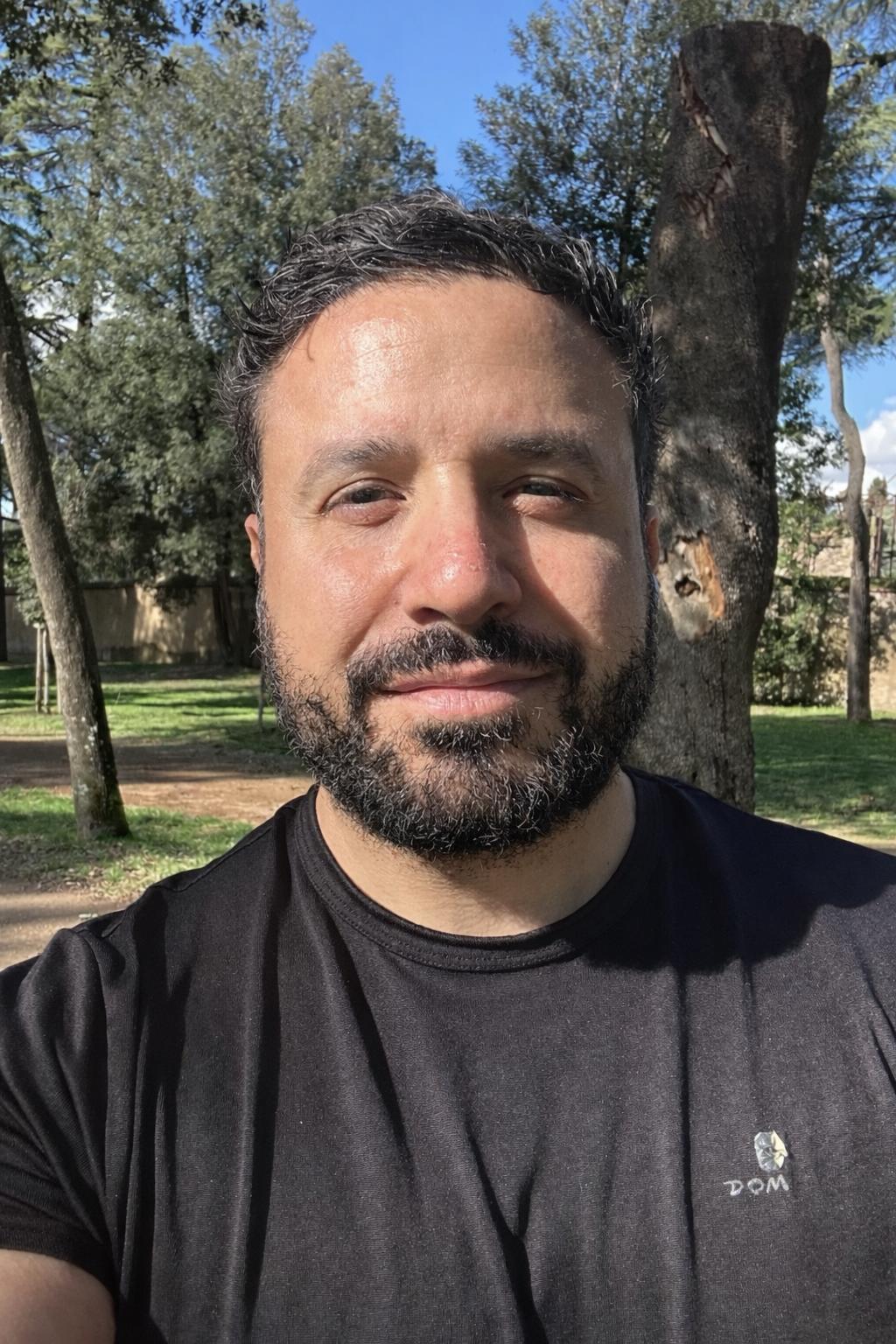
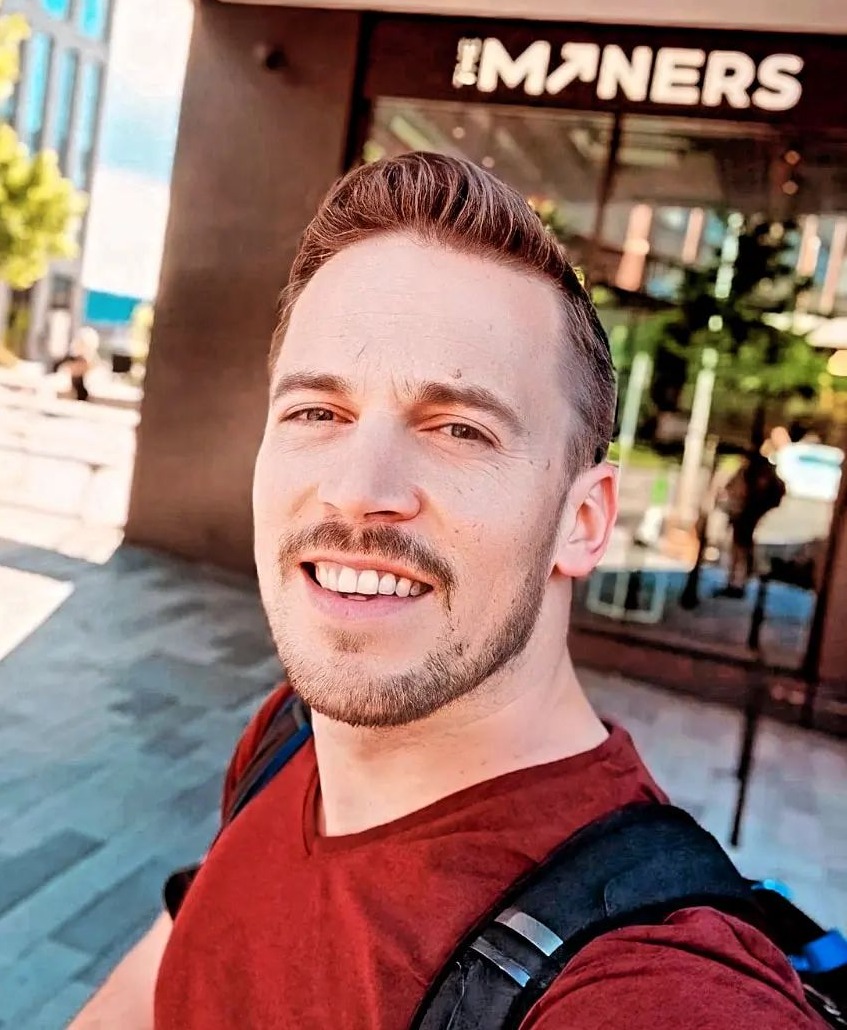
In a world polarized between "soulless" AI efficiency and the slow pace of traditional methods, Luca Lampariello and David Allen Martin II propose a powerful middle ground: The Hybrid Model. This strategy argues that the future of fluency belongs to those who use technology to amplify—not replace—human connection. The presentation outlines a high-efficiency framework built on three critical pillars: Acquisition (Input Mastery): Learn how to use AI to create your own high-interest content, transforming passive consumption into active, high-efficiency learning.
Luca Lampariello is a world-renowned Italian polyglot and language coach who has mastered over 10 languages. He is the founder of the Smart Language Learning Academy (SLLA) and is best known for his "Bidirectional Translation" method. Since 2008, he has pioneered a natural, high-performance approach to fluency that emphasizes brain-friendly learning and personalized strategy.
David Allen Martin II is a "linguistic engineer," polyglot, and the CEO of LinguaThor. Specializing in phonetics, accent reduction, and AI strategy, he is the architect of the Translation³ (T³) system. David focuses on the technical and structural backbone of language acquisition, using technology to automate complex grammar and help learners bridge the gap between theory and native-like speaking
.jpg)
Languages and Art: beyond the ordinary.
We are not one version of ourselves. We are many—shaped, shifted, and sometimes rewritten by the languages we use. This talk explores identity through the lens of multilingual expression, drawing from the experience of @radioziamaddi as a creative and polyglot artist navigating different linguistic worlds.
Each language carries a different rhythm of thought, a different emotional temperature, and even a different version of personality. Speaking becomes less about translation and more about transformation: who do we become when we switch codes, when we perform ourselves in another language?
What happens when you use languages as the core of your Artistic process, as the main ingredient for your Performance?
Through storytelling and examples, this talk will explore how languages do not simply describe reality—they multiply it. Examples, imitations, laughs and songs in several languages and Italian accents will create a powerful yet complete performance.
Maddalena Mazzaferri is an Italian language educator, performer, and content creator who works at the intersection of languages, identity, and artistic expression. With a background in theatre and multilingual communication, she has developed an original approach to language learning that integrates performance, embodiment, and cultural awareness.
The Science of Musical Language Education
- What are the scientific foundations behind the use of music to learn and teach languages?
- What research and evidence exists to support music as a tool for language education?
- How can we use this information to inform our language learning and teaching?
In this presentation, I cross-examine a wide range of scientific studies and sources which document the various ways in which music positively contributes to language learning and pedagogy. Based on a synthesis of these resources and my own personal experience learning and teaching various languages, I will suggest some approaches and implementations of musical language pedagogy for all kinds of language learners and educators.
The second part of this presentation will include a practical example for the audience to participate in, giving them the ability to actively put into practice the techniques discussed in the introduction. Together, we will listen to a song in a notoriously “difficult” language and hone our listening skills, using the musical medium and its benefits as a tool for personal linguistic growth.
With this presentation, I hope to convey to all participants the immense utility and power of using musical activities to enrich and bring joy to our language learning and teaching. I believe that with my experience researching and putting these techniques into practice, I can make a very compelling case for the expanded use of music in language pedagogy.
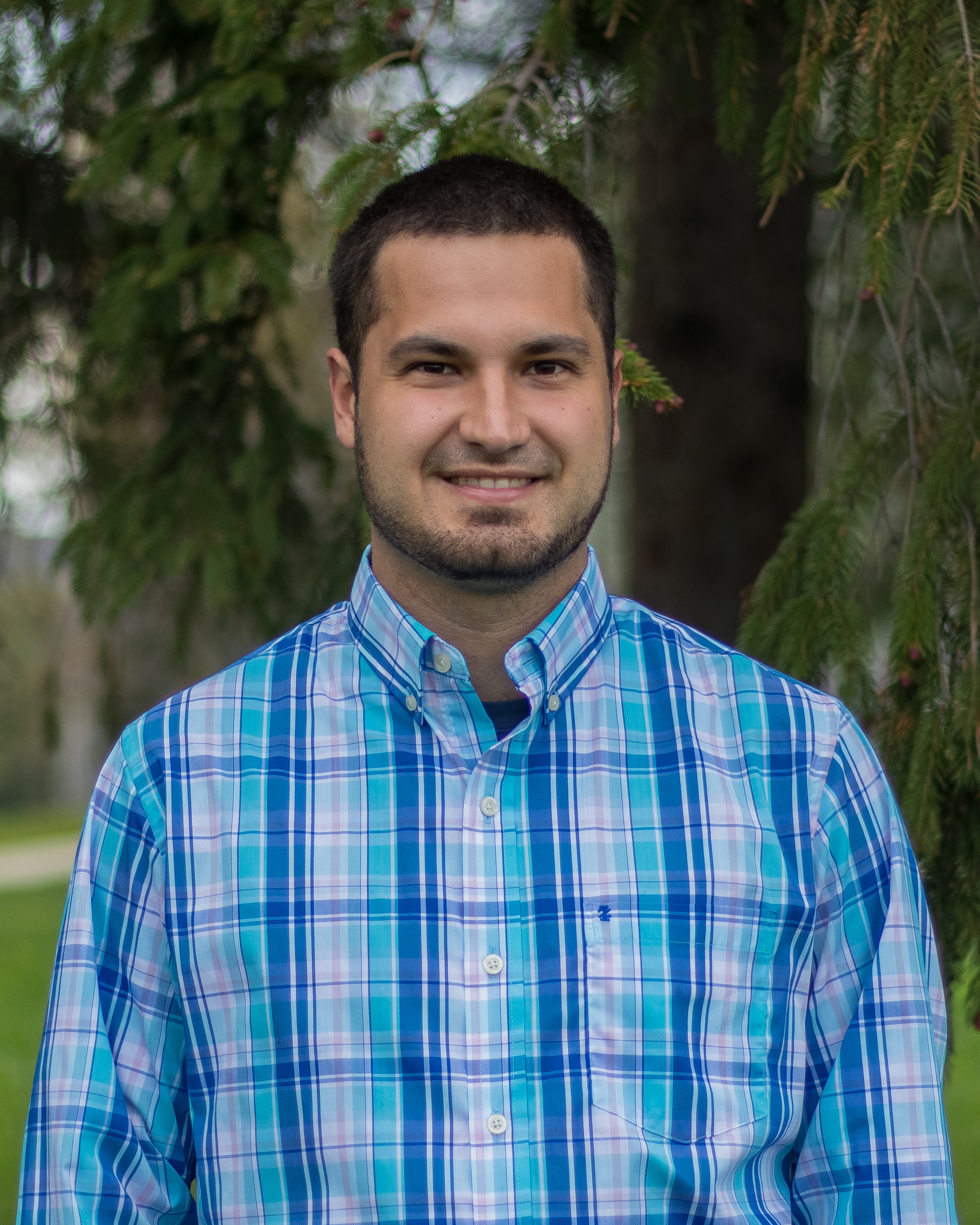
I have spent almost 15 years learning and studying languages and linguistics, as well as teaching multiple languages, primarily focused on musical and conversational learning. My experiences interacting with people of all backgrounds have helped me develop techniques for effective and enjoyable learning and teaching. I love how language learning is like putting together pieces of the world's most interesting puzzles that you can use to make people laugh and connect more deeply across cultures.

Evidence Based Learning: Accelerating Language Learning with Linguistics, Learning Science, and LLMs
Most language learners pick methods the way people pick diets: by anecdote, intuition, and whoever went viral on YouTube. Meanwhile, decades of research in linguistics and cognitive science have converged on a set of principles that reliably accelerate learning, while simultaneously demonstrating that much of what is popular is ineffective.
This talk distills that evidence into a practical framework built on three pillars. First, the linguistic pillar: how regular, principled patterns in phonology, morphology, and frequency distributions should shape what you study and how. Second, the memory pillar: why desirable difficulty, retrieval practice, and spaced repetition outperform casual reading and listening, highlighting, and “immersion without effort,” and how to structure your approach to study accordingly. Third, the technology pillar: how large language models, used intelligently, can be one more useful tool among many, that mines texts, extracts and organizes content, builds decks for spaced repetition calibrated to your level, and transforms passive input into active recall material at a speed completely unimaginable five years ago.
I'll share concrete workflows, sample prompts, common pitfalls (LLM hallucinations; SRS deck bloat), and honest evaluations of what has worked in my own learning and what has not. You'll leave with a defensible, practical, evidence-based system you can adapt to any language, at any level, starting tomorrow.
Dr. Taylor Jones (University of Pennsylvania, 2020) is an expert on language variation and change, nonstandard dialects, and sociophonetics. He is also an avid language learner who seeks to apply the empiricism he learned in grad school to accelerating language learning for real world use. He is the host of Language Jones on YouTube.
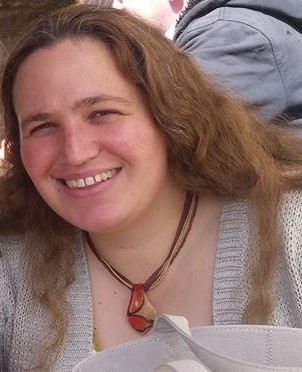
The Horizon Europe Revive Project: A Cornish perspective
This paper examines the Cornish community perspective on participation in the Horizon Europe Revive project, situating the revitalisation of the Cornish language (Kernewek) within broader discussions of indigenous endangered languages. Although Cornish is a revived Celtic language, its contemporary resurgence is closely tied to questions of cultural identity, indigeneity, and linguistic sovereignty in Cornwall.
Focusing on community experiences of engagement with Revive, the paper explores how speakers, learners, and activists interpret involvement in a large-scale, transnational research initiative. It considers the extent to which such frameworks recognise and support indigenous perspectives on language ownership, authority, and knowledge production. Particular attention is paid to tensions between institutional research agendas and community-led priorities, including concerns around representation, authenticity, and the long-term sustainability of revitalisation efforts.
Drawing on qualitative insights from community stakeholders, the paper argues that while Revive provides important opportunities for visibility, resource-sharing, and cross-cultural exchange among endangered language communities, its effectiveness depends on genuinely collaborative and ethically grounded partnerships. The Cornish case highlights the need to move beyond extractive research models towards approaches that centre indigenous agency and lived linguistic experience.
By positioning Cornish within the wider landscape of indigenous language revitalisation, the paper contributes to ongoing debates about decolonising research practices and ensuring that endangered language initiatives are shaped by, and accountable to, the communities they aim to serve.
Dr Kensa Broadhurst is the Kowethas an Yeth Kernewek Project Officer for the Horizon Europe Revive Project. She is also Cornish Language Lead at the University of Exeter where she teaches the language. Her PhD research examined the period 177-1904 when Cornish was considered to be extinct and showed that contrary to this, Cornish was being used in a variety of domains.
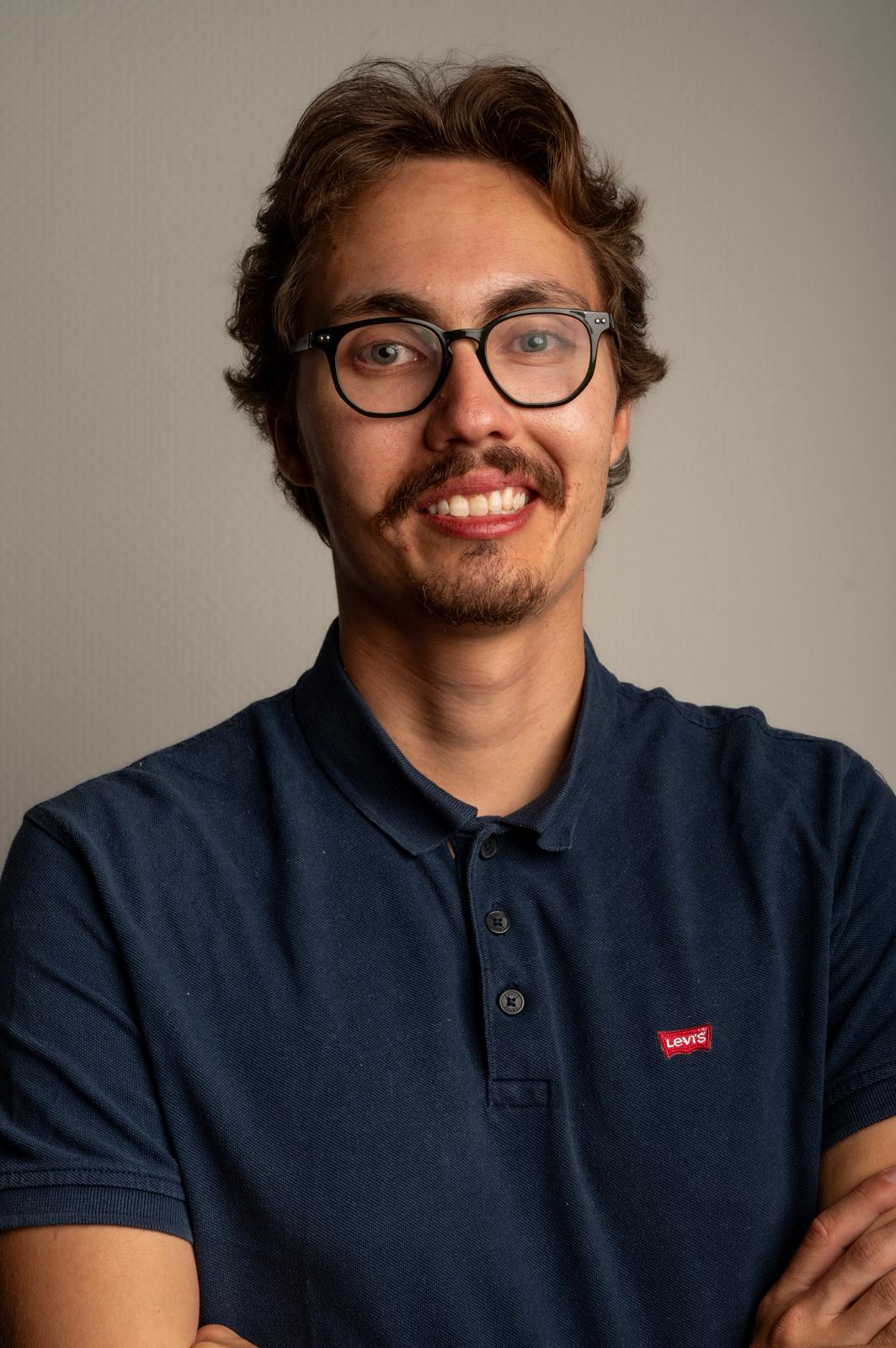
Beyond Standard Italian: Regional Accents, Dialects and the Myth of Neutral Pronunciation
When learners first arrive in Italy, they often discover something their textbooks never warned them about: Italians don't all sound the same. Far from it. A Milanese, a Roman, a Neapolitan, and a Sicilian can all speak perfectly correct Italian and still sound utterly different. This presentation is a guided journey through the regional accents of Italy. We'll explore the key phonetic features that allow listeners to identify where a speaker comes from.
We'll also tackle a question that fascinates and divides Italians themselves: does a "neutral" Italian accent actually exist? Who speaks it? And why is it so rare in real life? Finally, we'll look at how Italy's regional languages — often called "dialetti," though they really are full-fledged languages — influence the way Italian is pronounced in each part of the country.

World Memory Champion: Why You Should Stop Memorizing Vocabulary
As a multiple world record breaker in memory who advises learners and companies on memory technique, the number one question I'm asked is "how can I remember more words?" Memory palaces, image associations, mnemonics, spaced repetition — they all promise to supercharge vocabulary acquisition. But do they actually work in practice?
In this talk I'll run a live demonstration of what is genuinely possible with memory techniques, including how I encode dozens of new words on stage in real time, the same techniques I've used to memorize 3000 words in 3 weeks. Then I'll show cases that complicate the picture: people who have memorized tens of thousands of words and still cannot order a cappuccino, alongside people who know only a few hundred words and move comfortably in conversation.
From there I want to answer the questions language learners actually have. How important is memory for language acquisition? How far can basic memory techniques take you? Where do they fall short, and what works better past the memory plateau?
Everyone in the room will leave with at least one memory technique they can use immediately, and a clearer sense of which parts of the language learning journey they can shrink.
The talk is designed to land cleanly as a focused 20 minutes on stage, and bite-sized, shareable (unforgettable!) moments for the online audience afterwards.
Yanjaa (pronounced yen-jaa) is a 3x world record breaker in memory — for words, names, faces, and images — and grew up in a polyglot household across Mongolia, Sweden, Kenya and now based in Brooklyn. She advises individuals and organizations on improved learning and memory techniques, and runs a worldwide masterclass on memory. Outside memory, she performs stand-up and sketch comedy across North America and at international festivals, with TV, film and documentary credits including Netflix and HBO.
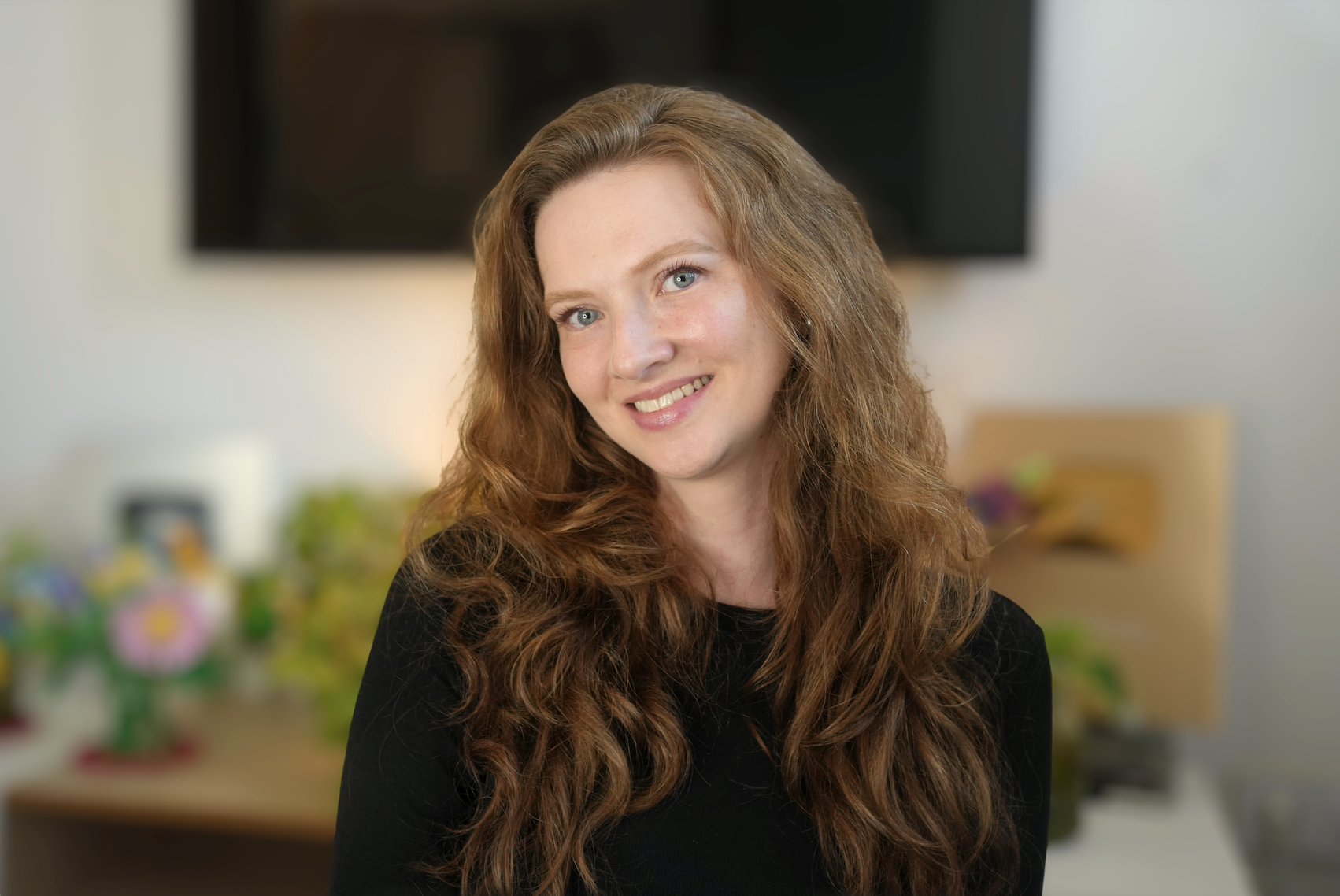
Tricks To Nail Perfect Pronunciation and Accent in Any Language (that your teacher would NEVER tell you).
When I started learning Spanish, I wasn't just battling with the grammar and vocab — I was battling my own mouth! One of my biggest breakthroughs came from an unexpected place, and it had nothing to do with any textbook, app, or anything my teacher had ever shown me. That one simple trick that I (unintentionally) picked up unlocked something that changed the way I think about pronunciation and accent work forever.
In this talk, I'll be sharing the practical tricks and tools that actually make a difference when it comes to sounding more natural in a foreign language. Using British English as my working example (as it's my area of speciality) I'll show how every technique can be applied to whichever language you're currently learning.
You don't need a "perfect ear", a linguistics degree, or years of study. You just need the right approach and techniques, which are exactly what I have up my sleeve after 16 years of pronunciation teaching.
Whether you're a complete beginner who's too nervous to open your mouth, or an advanced learner trying to iron out the last rough edges, this talk is for you. You'll leave with a clear, actionable toolkit of fun techniques that you can start using immediately.
I am a pronunciation and accent specialist with a degree in English Language and Linguistics, an MSc in Education: TESOL, and a Cambridge CELTA teaching certification, backed by 16 years of teaching experience.
With over 2 million followers across social media and more than 50 million views from audiences worldwide, I have made it my mission to make British English pronunciation accessible, practical, and genuinely enjoyable for learners everywhere.
I am a firm believer in putting yourself in your learners' shoes, which is why I make a point of learning new languages every few years. Not only does it keep me connected to the real struggles language learners face, but it gives me first-hand experience of tackling unfamiliar sound systems from scratch.
I'm currently based in Barcelona, Spain, speak Spanish to near-fluency, and have a solid understanding of Catalan. I have also studied British Sign Language, French, German, Portuguese, and Japanese, and I am currently learning Italian.
That experience as a learner is at the heart of everything I teach; because the best pronunciation advice doesn't just come from theory alone, it comes from having been there and experienced it yourself.
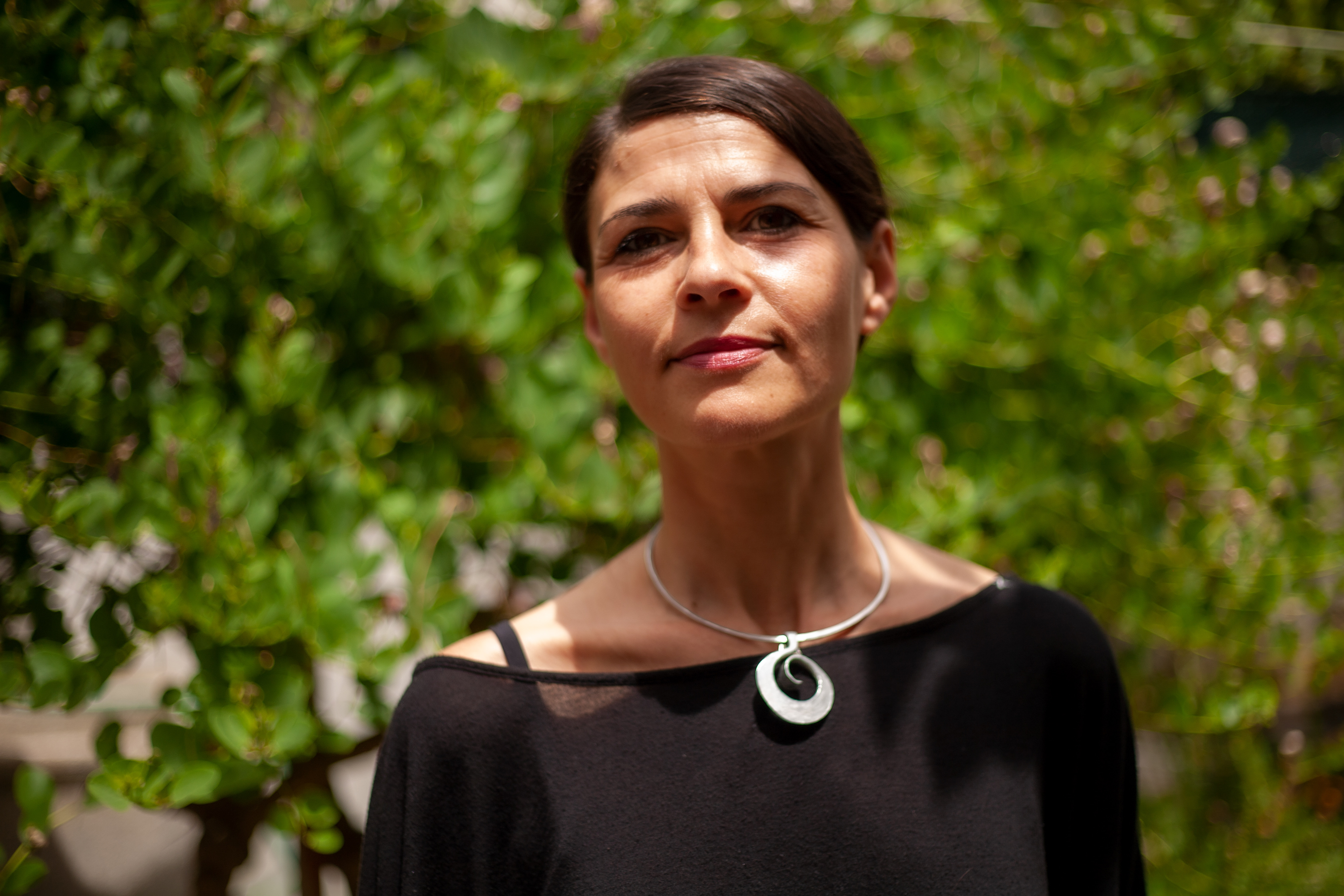
Chronotopic shifts in and through Griko: Translation as language activism and heritage practice.
In my proposed paper I examine the role of translation in language activism through the case of Griko, a minority language of Greek origins used in a few villages in the Southern Italian province of Lecce, Apulia. Drawing on long-term fieldwork, I highlight how translation practices have functioned as a key means of preserving and enriching this language. In particular, building on the RE.VIVE project and through the analysis of speakers and activists’ metalinguistic comments on their own translations into Griko, I show how translation is far from being a ‘simple’ act of interlingual communication and yet another site of ideological contestation. I argue that it crucially emerges as a generative practice in language activism and revitalisation, which facilitates a chronotopic shift, allowing for the re-imagining and re-shaping of Griko to express modern ideas and cultural experiences. This presupposes, conceptualising translation as “semiotic transduction” (Silverstein 2023) which reproduces communicative effects across semiotic systems, and in this case, temporal frames. The discussion offers insights into translation practices of both “heritage” and “new” speakers of Griko, pointing to the complex interplay of multilingualism, ideology, and community memory among speakers and activists in Italy.
Manuela Pellegrino holds a PhD in Anthropology from University College of London. Since 2006, her research among Griko speakers and activists in Grecìa Salentina (Apulia) and supporters in Greece has formed the basis of her PhD thesis and resultant publications, culminating in her monograph Greek Language, Italian Landscape: Griko and the Re-storying of a Linguistic Minority. Manuela is currently a Research Fellow at Anglia Ruskin University; she was a Visiting Professor at the Aristotle University of Thessaloniky until recently. She previously collaborated with the University of Southern Denmark and was a Fellow at the CCGS, University of Cambridge, at the Centre for Hellenic Studies, Harvard University and the Smithsonian Institution and she lectured in anthropology at Brunel University London. Manuela composes polyphonic poems in Griko as a method of writing ethnographically about the past and present of this language. Her work reflects a longstanding interest as she comes originally from Zollino, a Griko-speaking village.

Building a true multilingual society on Ilha Formosa: what can Taiwan learn from Paraguay’s Spanish-Guarani Bilingualism
In the polyglot community and among linguistics professionals, Paraguay is considered a paradigm of a successful bilingual society. Paraguayans are also deeply proud of their official bilingualism—a unique case in all of Latin America. In order to better understand Paraguay’s bilingualism, I conducted a 3-week intensive revitalization fieldwork in Paraguay in the spring of 2026.
Thanks to the support of the Taiwanese embassy and many Paraguayan friends, I was able to visit schools, government branches, and organizations like the Ateneo de Lengua y Cultura Guaraní and the Secretaría de Políticas Lingüísticas. In addition, I visited some rural villages around Asuncion to gain different perspectives. On top of that, I also traveled to Foz do Iguaçu to compare the linguistic situation in neighboring Brazil.
This talk will be the synthesis of the findings of my fieldwork. I will also elaborate on how Paraguay’s experience in bilingualism can help Taiwan revitalize its local languages to achieve true multilingualism.
Terry Chih-Hsiang Hsieh is a Taiwanese polyglot and an activist for the indigenous languages of Taiwan and the world. He has authored and co-authored four books on language acquisition and teaching methodology. Currently, he serves as the CEO of Polyglot.tw and as an advisor at the Indigenous Language Research and Development Foundation.
Ladin: A Living Romance Relic in the Italian Alps
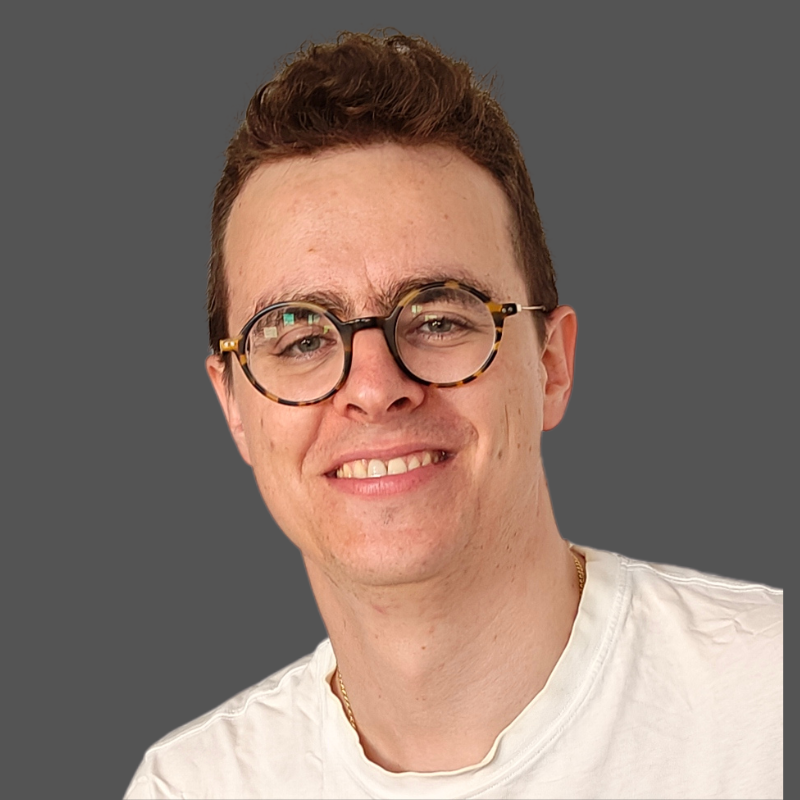
Ladin is a Romance language spoken by some 30,000 people in the Dolomites of the Italian Alps. It is also my native language. To outsiders it sounds like German; under the microscope it is a remarkably conservative Romance language, preserving features the rest of Romance in that region abandoned centuries ago: second-person -s, distinct imperatives, even verb-second word order last seen elsewhere in medieval French.
In this talk I'll introduce the language as it looks, sounds, and lives today. I’ll untangle what "Rhaeto-Romance" actually means and why the classification has been fought over for 150 years, and show how a millennium under a German-speaking roof shaped Ladin and shielded it. I'll close with a look at its status today: its legal recognition, its schools and media, and its place in daily life.
My name is Alex Senoner, I grew up speaking Ladin, German and Italian and I discovered my interest in languages in high school, when I took a Russian course and became obsessed with it. Over time, through study and also living in various places I managed to reach a high proficiency in French, Dutch, Swedish and English, and a conversational level in Spanish, Portuguese, Russian, Mandarin Chinese and Japanese.
Do Streaks Equate to Language Learning? A Study of Competition and Motivation in Duolingo
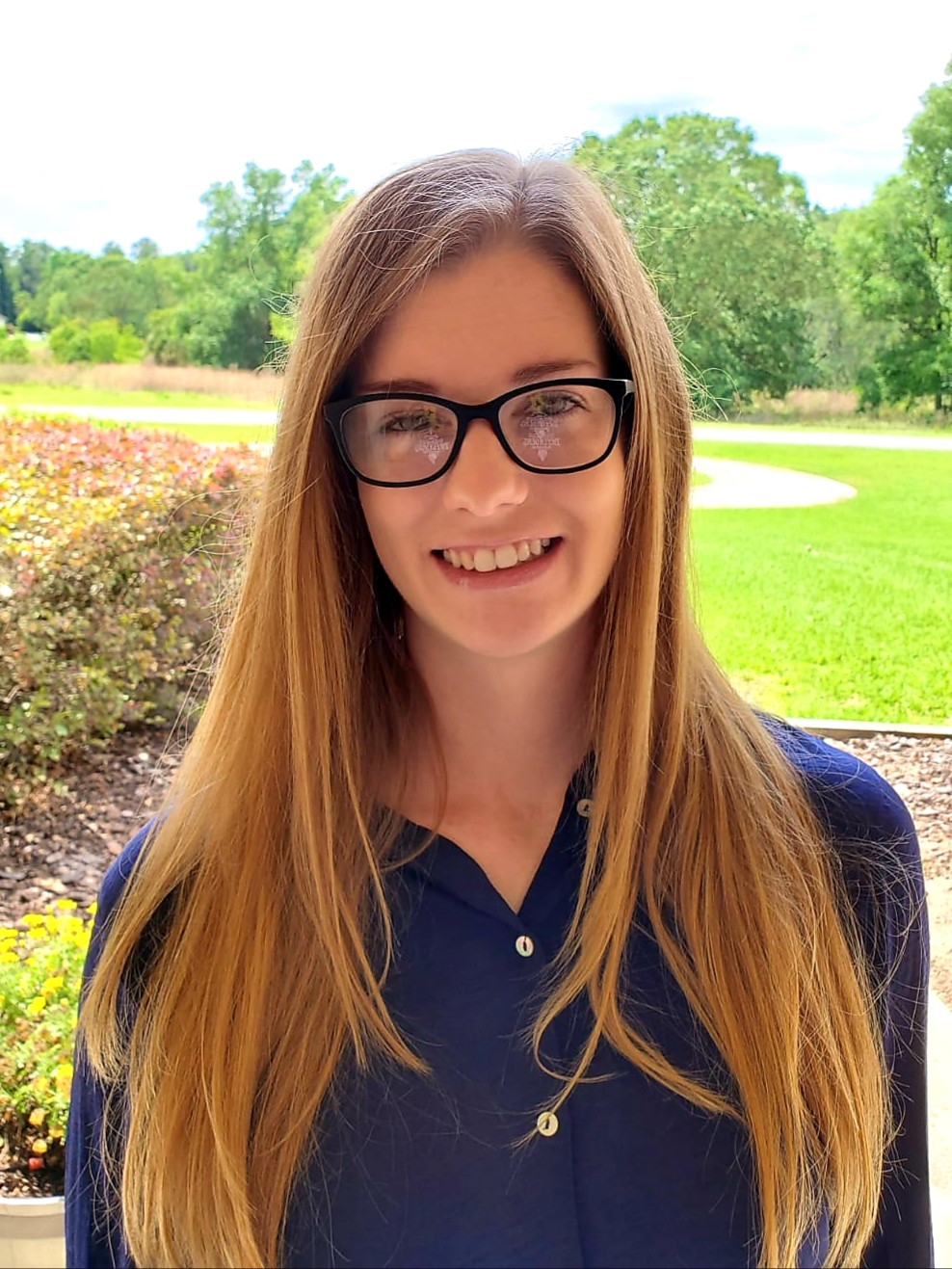
Duolingo is arguably the most popular language learning app available today, as measured by its over 30 million active monthly userbase (Duolingo, n.d.), yet remarkably little research has been conducted regarding its implementation or efficacy. The handful of studies that do exist (e.g., Bahjet Essa Ahmed, 2016; Baldauf et al., 2017; Loewen et al., 2019; Munday, 2016; Rachels & Rockinson-Szapkiw, 2017; Vesselinov & Grego, 2012) have found positive outcomes, although methodologies vary so widely as to make comparisons or generalizations impossible. Researchers have noted, though, that Duolingo may be most beneficial as a supplemental tool rather than a stand-alone program (Loewen et al., 2019). Given that many classroom learners are already familiar with and even use Duolingo, research into this kind of usage warrants further investigation.
Therefore, the present study explores the possible effects of using Duolingo as a supplemental tool and investigates outcomes related to learners’ fluency during a semester of beginning Spanish at the university level. In addition to linguistic outcomes, the students’ attitudes and motivation during the semester are also examined. Data from these learners’ use of Duolingo are compared to those of a control group using an adaptive learning app, LearnSmart provided by the textbook company McGraw-Hill. In this presentation, we present usage data and affective results (attitude, motivation), in addition to fluency data. These findings have implications for future research and implementation of apps in college language classrooms, as well as a discussion of their potential usefulness as language learning tools (Sykes et al., 2010).
I am a language learner turned linguist. After finishing my PhD in Hispanic Linguistics, I have over 5 years of experience consulting for numerous language learning apps, including Duolingo. As a linguist, researcher, and language learner, I leverage my pedagogical knowledge of curriculum design and languages to develop motivating content for mobile learning. I focus on practical applications in the field of Second Language Acquisition (SLA), while collaborating with contributors around the world to teach languages including English, Spanish, and French.