
Speakers
Euskera: i confini dell’ufficialità
Se ci chiediamo se l’euskera sia oggi una lingua viva e in buona salute, la risposta non è affatto semplice. Nella Comunità autonoma basca, l’euskera gode dello status di lingua ufficiale e dispone di un quadro istituzionale piuttosto solido. Eppure, continua a essere terreno di scontro: i requisiti linguistici per l’accesso al pubblico impiego, le prove di accesso all’università, il riconoscimento come lingua ufficiale dell’Unione europea e l’effettivo diritto dei cittadini a usare il basco nei rapporti con la pubblica amministrazione restano tuttora questioni controverse.
In Navarra, per esempio, l’euskera è ufficiale soltanto nella cosiddetta zona bascofona, mentre nella zona mista e in quella non bascofona i diritti linguistici sono più limitati, o addirittura inesistenti. Ne risulta una geografia disomogenea, in cui i diritti linguistici fondamentali variano da un comune all’altro. I dibattiti sulla zonizzazione linguistica, sui modelli educativi e sul valore attribuito all’euskera nel pubblico impiego mostrano come la Navarra continui a ridefinire i confini dell’ufficialità.
Nel Paese Basco settentrionale, sotto sovranità francese, il problema è ancora più profondo. L’euskera viene insegnato e sostenuto da scuole e istituzioni culturali, ma il francese rimane l’unica lingua ufficiale della Repubblica. Il recente conflitto sulla possibilità di sostenere le prove del baccalauréat in euskera mette in luce i limiti delle tutele linguistiche esistenti.
La situazione dell’euskera è quindi profondamente paradossale. La lingua viene parlata, trasmessa, insegnata e, almeno in parte, sostenuta dalle amministrazioni pubbliche. Tuttavia, ancora oggi, la sua condizione è segnata da linee immaginarie: non soltanto dai confini amministrativi, ma anche dal confine che separa il riconoscimento simbolico dai diritti effettivi.
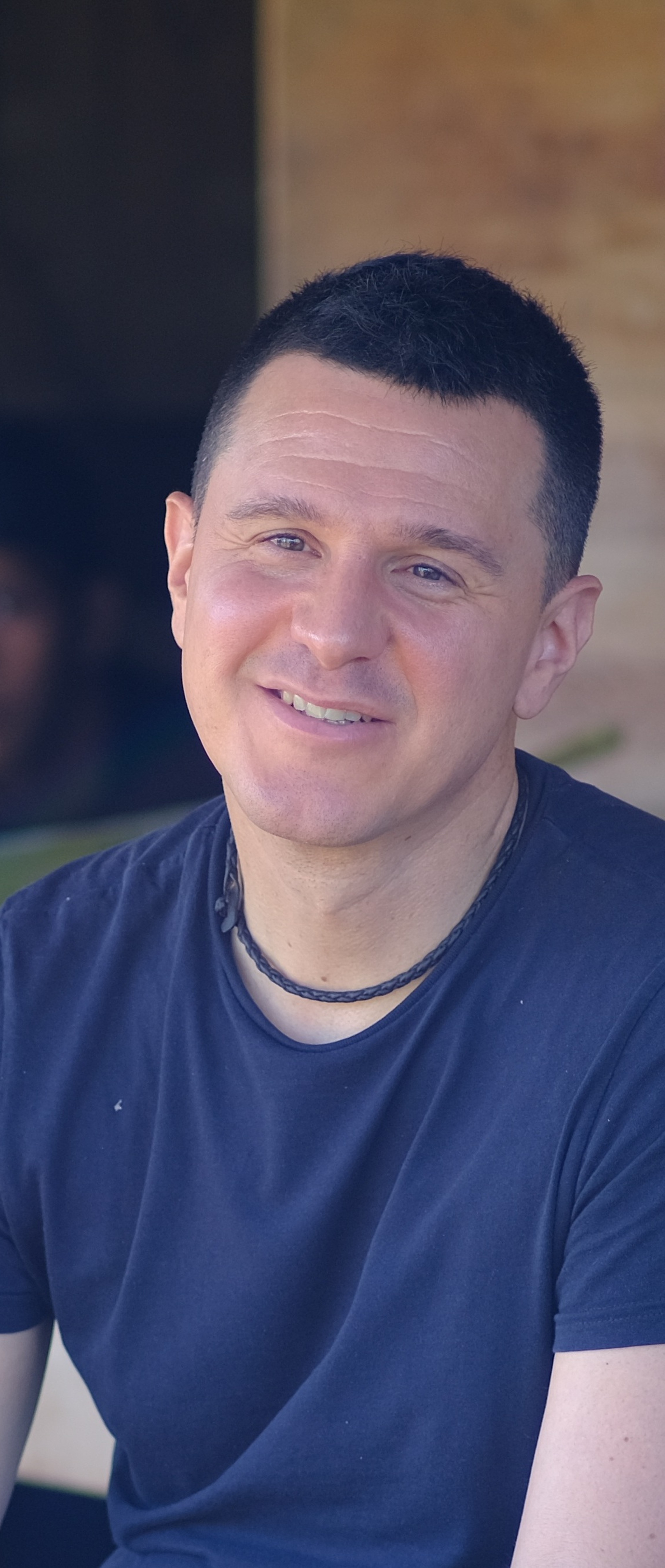
Jonathan Martínez is a communication specialist and writer from the Basque Country. He earned a degree in Hispanic Philology and obtained his PhD in Audiovisual Communication from the University of Seville with a research study on Mexican cinema. He has developed an interest in media analysis, linguistics, and literature.

AI and Endangered Languages: Digital Salvation or Linguistic Extinction?
Generative AI is trained predominantly on high-resource, global languages, creating a massive algorithmic bias that threatens digital linguistic diversity. This presentation addresses a critical question for the modern linguistic community: Will artificial intelligence save endangered languages or accelerate their extinction?
This session explores the dual reality of AI tools for vulnerable communities. On the one hand, we will analyze the threat of "digital colonialism," where minority languages risk being homogenized or ignored by major tech models. On the other hand, we will showcase practical initiatives: how open-source AI and the concept of the "AI-Augmented Polyglot" can be ethically used by activists for rapid grammatical documentation, speech-to-text preservation, and low-cost educational materials. Attendees will gain a sharp, realistic perspective on how technology can be steered to protect, rather than erase, the world’s linguistic heritage.
Juan Mendoza Romero is an experienced academic teaching English and German. He has served as an Associate Professor at the University of Valencia, coordinating Master’s Thesis modules. He speaks up to 8 languages and his academic profile includes an Official Master’s Degree in Information Technology (IT) with further education in artificial intelligence.
At the Polyglot Gathering 2026 in Brno, he introduced the concept of the "AI-Augmented Polyglot," sparking a vital conversation on the future of language acquisition in the era of artificial intelligence. His work focuses on the intersection of cutting-edge technology, cognitive development, and linguistic diversity, advocating for ethical tech implementation that empowers human speakers and protects vulnerable linguistic heritages.
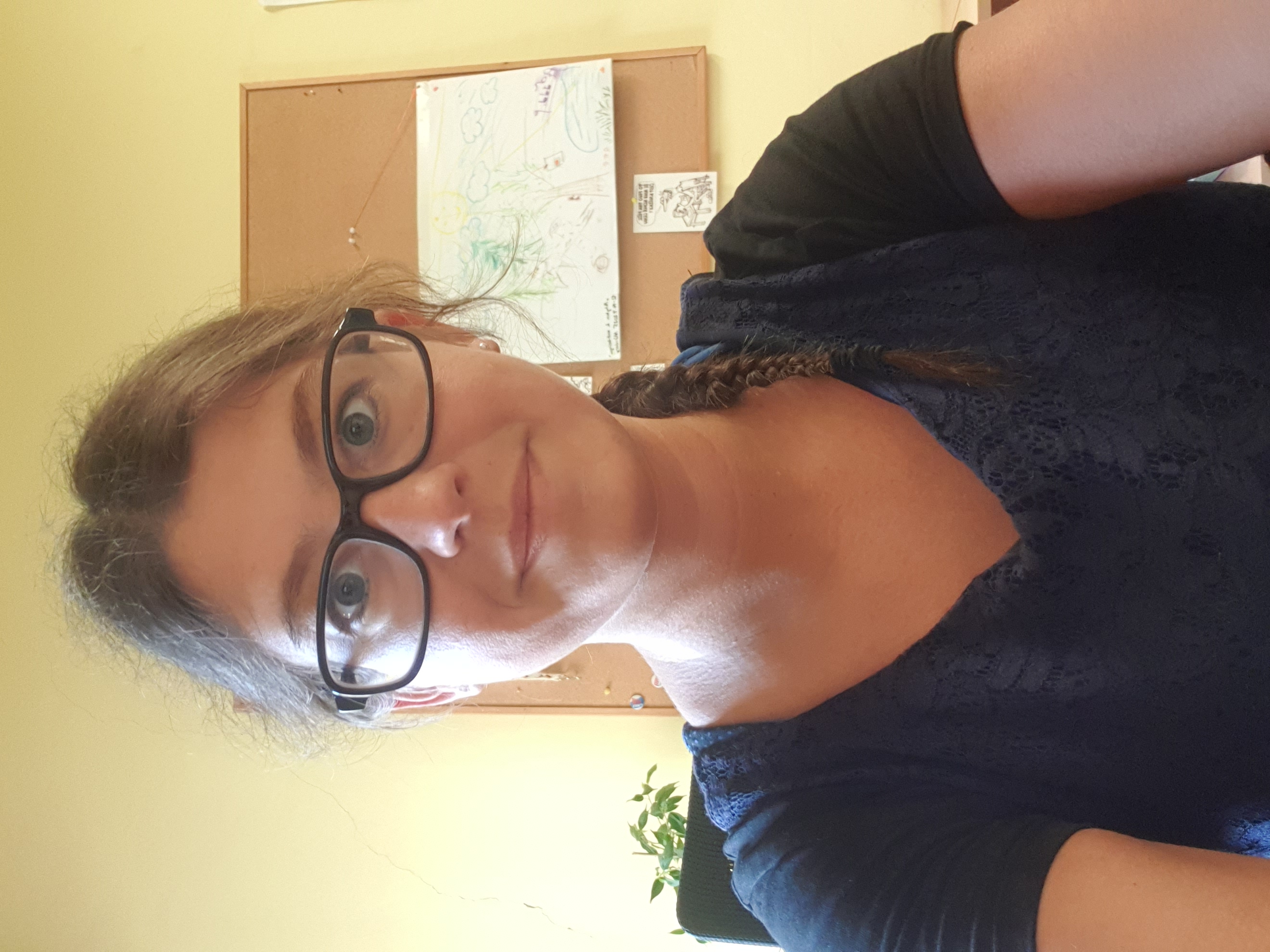
Linguistics for Lazy Language Learners
Struggling with where to put the verb in German? Or which Italian verbs take "avere" and which ones "essere" in the perfect tense? Or where to put the stress in an Italian word? Or how to get the hang of all the cases in Slavic (or Finno-Ugric, or Nakh-Daghestanian) languages? Then this talk is right for you! I'll provide you with insights from both theoretical (generative) and empirical linguistics that will make your life easier.
Linguistics, and grammar theory in particular, is often perceived as something hard and boring that makes language learning more complicated, when actually it is meant to be the opposite: a collection of short cuts to language learning - because you only have to memorise a couple of rules instead of millions of words, sentences, and contexts. I will show you some rules and generalisations that I found particularly useful when learning languages.
Your Feed is a Classroom: Learning Chinese in the Age of Doomscrolling
Is your phone your enemy or an unexpected ally in language learning?
Social media is an inescapable reality in modern language learning. Its influence on education is often described as negative, with critics pointing to distraction, distorted perceptions of reality, and isolation. But what if the very things we dislike about social media could be turned to our advantage?
In this presentation, I explore how smartphones, social media, and AI can become powerful tools for Chinese language learning. Rather than relying solely on traditional forms of immersion, I demonstrate how a properly curated Chinese-language content feed can help learners create a consistent and accessible immersion environment that fits naturally into their daily routines.
Learning a new skill is inherently challenging, so there is no need to make it harder than it already is. In fact, progress often comes faster when we lower unnecessary pressure and work with our brains, not against them.
As young founders, we are actively building and redefining how languages can be taught. We challenge traditional ideas of what makes a "good student" and show how online communities can become some of our greatest allies in the language-learning journey. After all, languages are tools, not trophies. They help us access experiences we care about, even if that experience is simply scrolling TikTok in bed.
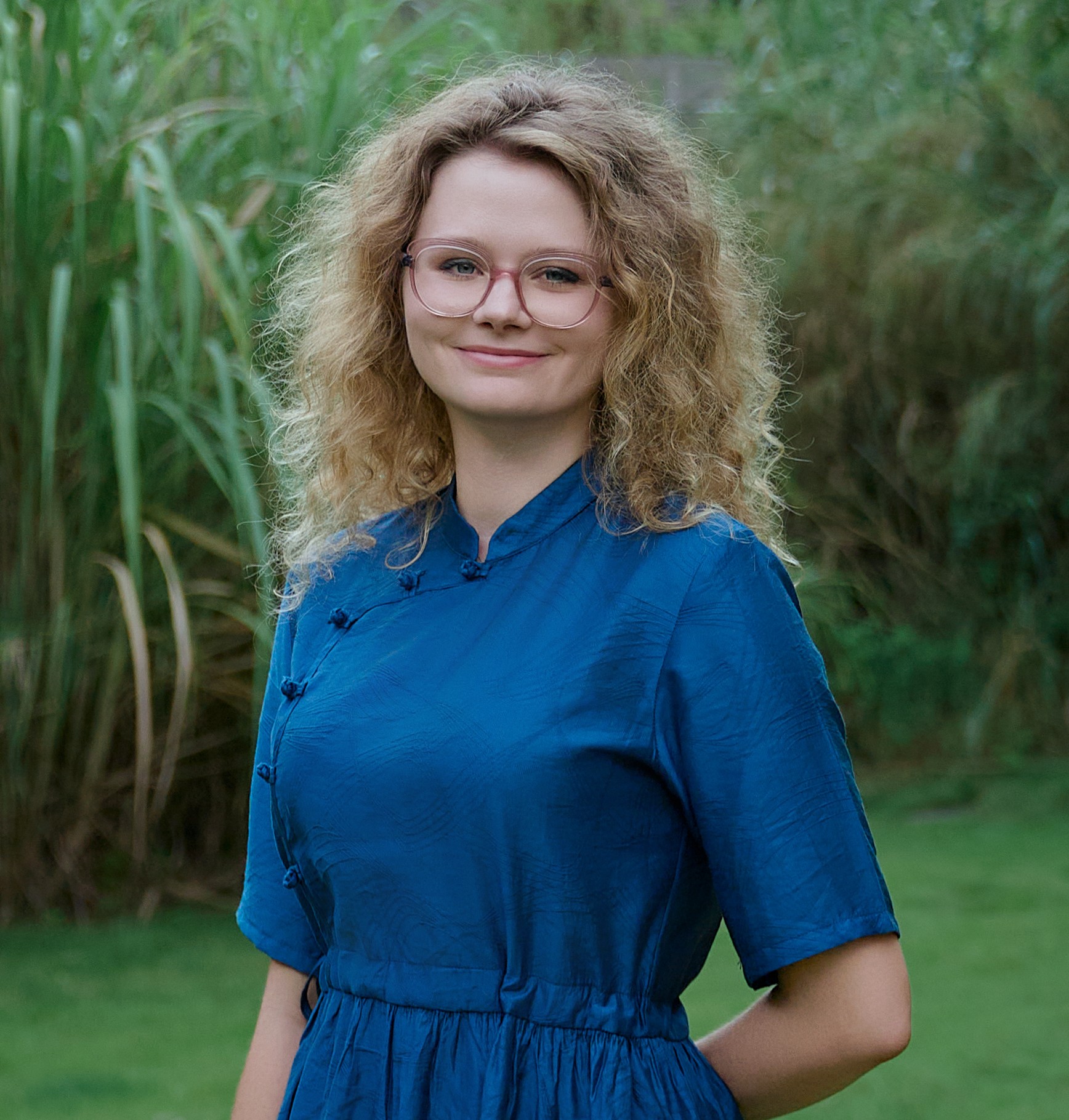
My name is Dorota Maczuga, and I am the co-founder of Mandarin Zest, a fast growing Chinese language learning community and social media platform. I have been learning Chinese for over ten years and have lived for five years in Taiwan and Mainland China. I work as a business developer for Taiwanese businesses in Poland and speak three foreign languages fluently (English, Spanish and Mandarin).
What Is Behind the Cases – In Hungarian and Other Languages
Hungarian is often considered to be terribly difficult to learn, partly because it is said to have 18 cases. But what exactly are these cases, and why are they needed?
Some cases express grammatical relationships, while others reflect how we perceive the world. Each case signals a specific function in a sentence, such as the role of a direct object or the spatial position of people and objects. As multiple functions can appear within a single sentence, several cases may be used.
These functions are universal; they were not invented by Hungarians simply to frustrate learners. They exist in other languages as well, but are expressed in different ways. By examining English, German, Czech, and Spanish, we can see where these concepts overlap.
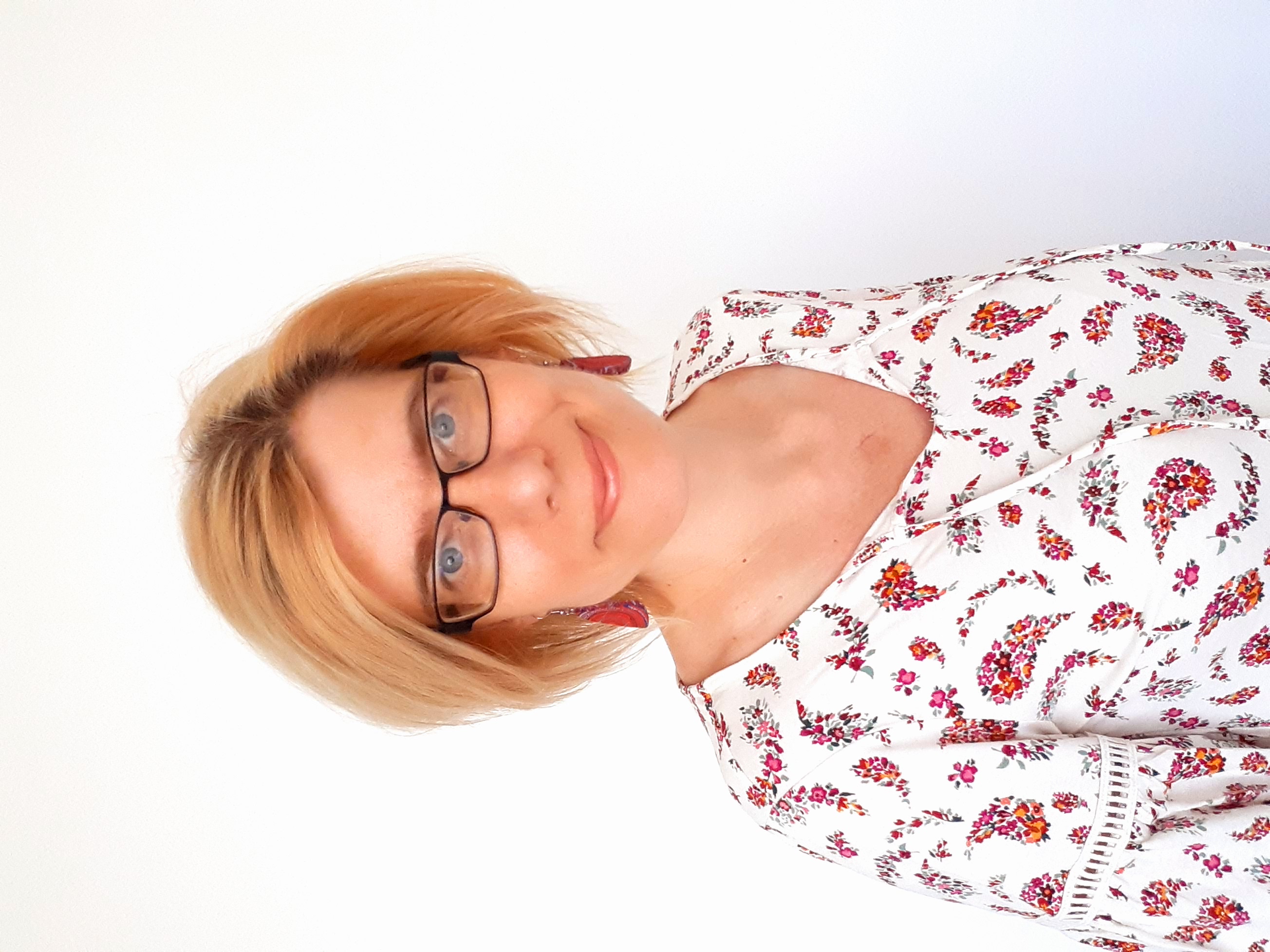
As a linguist and Hungarian tutor, I am passionate about the Hungarian language. Studying and researching languages is an endless adventure, whether it involves our native tongue or one learned later in life. By recognizing the similarities and differences between them, we can enrich this journey even further.
Language Competence and Access to Coping in New-cultural Environments among Polyglots.
Does speaking more languages make it easier to adapt to new cultures? And if so, which aspects of language ability matter most?
This presentation explores the link between multilingualism and sociocultural adaptation through interviews with six polyglots from five countries. Using a qualitative, hermeneutic approach, it examines how language competence shapes cultural awareness, understanding and the ability to integrate into unfamiliar environments.
The findings suggest that language skills go far beyond communication. Participants consistently reported that using the local language, having a rich vocabulary, and understanding the cultural context behind grammar and expressions helped them build relationships, interpret social situations and adapt more quickly to different cultures.
The talk also highlights an area that has received surprisingly little attention in research: how the language learning experiences of polyglots may influence their ability to function across cultures. It concludes by considering what this might mean for future research into multilingualism, intercultural competence and language learning.
Olga Koeva is a Bulgarian hyperpolyglot and a professional organist and pianist. She has a Bachelor's degree of sacred music and a master's degree of organ improvisation. Additionally, Olga has a Bachelor's degree of International Relations and Management at the University of Applied Sciences in Regensburg, Germany. In March 2024, she successfully completed her Master's degree of Management of Intercultural Studies at the same university and obtained a Grade A (1.0) for her Master’s Thesis.
Olga Koeva has always been interested in studying, practising, analysing and improving languages. Olga speaks 14 languages fluently and is still improving them by reading literature in all these languages, listening to radio and communicating with her friends. Since August 2024, Olga Koeva has been teaching Bulgarian, Dutch, Swedish and Norwegian on iTalki. Here is the link to her profile.
From A2 to Your First Novel
Reading a full-length book in a foreign language is a milestone many learners dream of, yet many abandon the idea after struggling through the first page. This talk offers a practical, encouraging roadmap to make that goal achievable - starting as early as the A2 level.
We’ll look at how to choose the right first book: what to prioritize, how to avoid common pitfalls, and how to select stories that motivate rather than overwhelm. Participants will learn what to expect when reading with limited vocabulary, how to handle unfamiliar words without stopping every few sentences, and how to build confidence even when the text feels challenging.
The session will also tackle the realities of busy daily life. We’ll explore simple strategies for integrating short reading moments into your routine, creating sustainable habits, and maintaining motivation when progress feels slow. By shifting expectations and using smart techniques, learners can turn reading into an enjoyable, consistent part of their language journey.
Attendees will leave with a clear method and the confidence to begin and finish their first book in a new language.
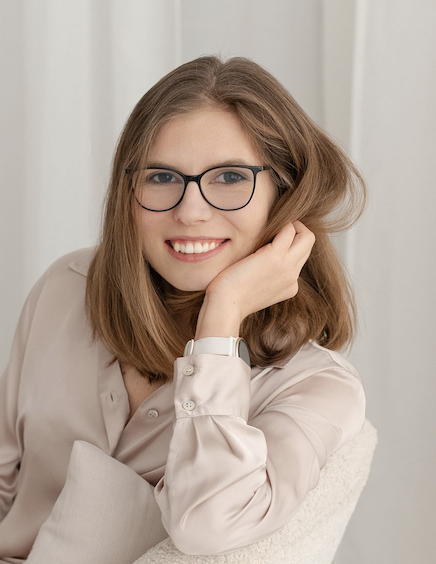
Anna Ostojska is a lifelong language enthusiast who has learned English, French, Dutch, and Swedish by exploring diverse learning methods. Books have always been central to her approach, helping her accelerate and enrich her language journey. Balancing a busy professional life in the IT sector and family life, she pursues languages in her own unique way. Passionate about sharing her experience, Anna inspires others to see language learning as a joyful, rewarding adventure, showing that curiosity and consistency can turn reading into a gateway to new worlds.
How To Kill A Language: How My Nonna's Piaśintein Took Me Around The World
Sophia Smith Galer discusses her work How To Kill A Language, her book charting the phenomenon of linguicide. In this discussion Sophia will explore 10 different ways she found languages were disappearing today, who was disappearing them, and solutions that different communities around the world are presenting to revive and reclaim language. In this talk she’ll especially focus on Italian and “dialetti” as migrant languages in London, as well as her family’s variety of Emilian spoken in the mountains of Piacenza.
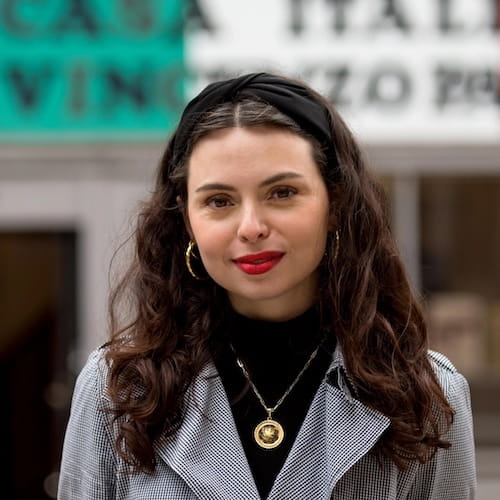
Sophia Smith Galer is a multi-award-winning journalist, author and content creator based in London with more than 200 million video views for her storytelling around technology, language and culture. She has built a following of over 900,000 people and in 2022 British Vogue selected her as one of the 25 most influential women in the UK. A former BBC and VICE journalist, Sophia is the author of How To Kill A Language, a book about linguicide, in which she travels four continents to find out why languages are disappearing at an unprecedented rate.
Dead Languages or Living Skills? The Battle for the Modern Curriculum in Flemish Secondary Education
In recent years, proposals have emerged advocating for the removal of classical languages, notably Latin and Ancient Greek, from Flemish secondary education curricula. These proposals often argue that instructional time should instead be allocated to subjects perceived as more directly applicable, particularly within the domains of science, technology, engineering, and mathematics (STEM). Alternative perspectives, however, recommend either increasing the instructional emphasis on modern languages—especially English—or introducing additional languages such as Turkish, Arabic, Russian, or Chinese.
This presentation seeks to systematically examine the principal arguments underlying these differing positions, with particular attention to the proposal of incorporating entirely new languages into the curriculum. Proponents of classical language education frequently emphasize their purported “general formative” value, particularly with respect to their contribution to cognitive development and intellectual training. Accordingly, this study investigates whether the instruction of new, non-Western or non-Indo-European languages might offer comparable formative benefits, alongside their more immediate practical utility.
Drawing on illustrative examples from the languages under consideration, this analysis aims to evaluate the extent to which such educational outcomes can be achieved. The findings suggest that a nuanced and context-dependent conclusion is warranted.
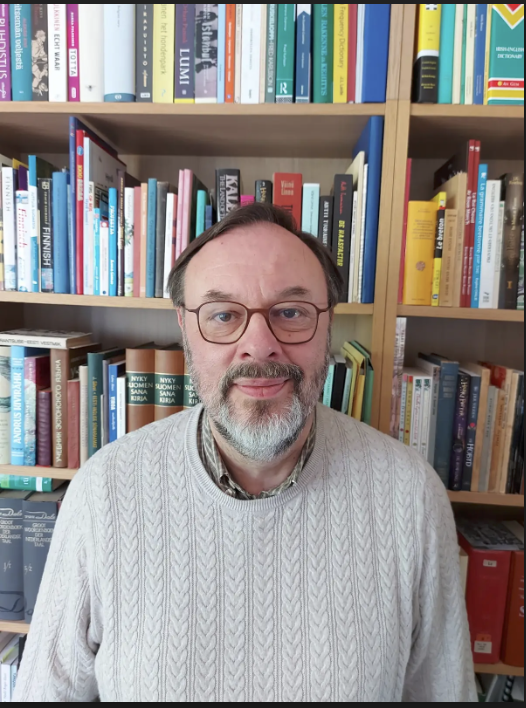
Johan Vandewalle was born in 1960 in Bruges, Belgium. He studied at Ghent University, where he earned a master’s degree in Civil Engineering and Architecture in 1983, followed by a master’s degree in Oriental Languages (Arabic and Persian) in 1985. In the same year, he also completed a bachelor’s degree in Slavonic Languages (Russian and Church Slavonic), and in 1986 he obtained a postgraduate degree in General Linguistics, focusing on Turkish and Ottoman. He went on to complete a PhD in Linguistics in 2013, with a dissertation on motion verbs in Russian, Turkish, and Uzbek.
He began his career teaching Turkish at the Language Centre of Ghent University from 1984 to 1987. He then carried out research for the Ministry of Education on how migrant children in Belgium acquire Dutch as a second language (1987–1989). From 1989 to 1997, he worked in a private company specializing in computer-assisted language learning. In 1993, together with his wife Linda Gezels, he co-founded Orientaal vzw, a centre for Oriental languages and cultures, where he taught Turkish and Arabic. They also developed a Turkish teaching method, published as Haydi Türkçe Konuşalım 1 and 2 in 2008 and 2010. He worked as a sworn translator from 1988 to 1999, and between 1997 and 1999, he ran his own translation agency.
In 1999, he returned to Ghent University to begin his doctoral research. In 2006, he joined the Department of Translation, Interpreting and Communication at the same university, where he became head of the Turkish section. There, he taught Turkish grammar, Turkish language practice, and translation from Turkish into Dutch, and conducted research on intralingual translation from Ottoman Turkish into modern Turkish. He retired from the university in 2026.
In 1987, his exceptional linguistic abilities earned him the Babel Prize in a polyglot competition held in Belgium. During the contest, he was tested in 22 living languages and passed in 19 of them. He continues to expand his linguistic knowledge to this day. His main linguistic interests include general linguistics, linguistic typology, and intralingual translation.
Dialetto a chi? La ribellione delle lingue locali in Italia
Cos’è un dialetto? Dipende dalla lente con cui lo osserviamo. Ciò che è certo è che la risposta a questa domanda non è cosa da poco se consideriamo che dalla fine degli anni ’80 a oggi l’uso prevalente delle lingue locali in Italia è passato dal 32% al 9,6%.
Il filtro che più ci interessa, allora, non può che essere quello della sociolinguistica, secondo cui un dialetto non è altro che una lingua subordinata a un’altra per ragioni sociopolitiche. In altre parole, il siciliano non avrebbe nulla da invidiare all’italiano, il romagnolo niente che non abbia il norvegese. Eppure il condizionale è d’obbligo, perché le cose, di fatto, sono ben diverse.
In nome di questa crescente consapevolezza, i “dialetti” italiani si stanno ribellando, insorgendo contro l’unica designazione che li rende tali. I social media (ma non solo) sono il palcoscenico preferenziale sul quale creatrici e creatori di contenuti si impegnano per restituire al veneto, al napoletano, al ligure la dignità di cui sono stati privati.
Portiamo sul palco della Polyglot Conference la realtà scomoda dei (non) dialetti italiani, raccontando in particolare la seguitissima esperienza del faentino Fabrizio Caveja, divulgatore dietro la pagina Rumagnulesta: una tra le voci più forti che lottano a suon di parole per riportare le nostre lingue locali al loro antico splendore… o almeno per contribuire alla loro sopravvivenza.
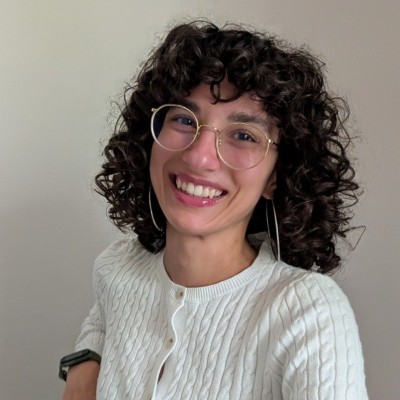
Giulia Lucania è una poliglotta, specialista della comunicazione interlinguistica e insegnante di italiano L2 originaria di Palermo, che ha trascorso gli ultimi dieci anni vivendo di lingue (principalmente inglese, francese, spagnolo e arabo) e spostandosi da una città all’altra nel Nord dello Stivale.
Col tempo ha sviluppato un crescente interesse per le lingue minoritarie in Italia. A spingerla verso questo tema sono state la sua esperienza personale di fuori sede lontana dalle proprie radici, e la sua professione.
Giulia, infatti, non si limita a insegnare la lingua italiana, ma si impegna per far conoscere, durante i suoi corsi, le diverse culture e identità che coesistono nel Paese.
Madrelingua siciliana che non ha mai avuto l’opportunità di imparare a scrivere la propria lingua, sostiene e incoraggia il lavoro di content creator, insegnanti e artiste/i che portano sui social media e nella vita reale il loro amore e il loro impegno verso le lingue dei nonni, che oggi rischiano di scomparire.
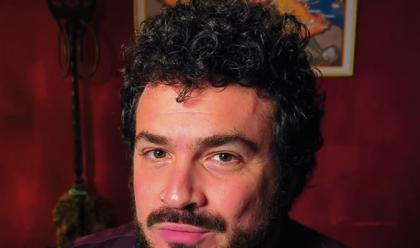
Fabrizio Caveja, faentino classe 1988, è insegnante di romagnolo, divulgatore, cantautore, e autore in lingua romagnola. Gestisce il profilo Rumagnulesta su Instagram e TikTok.
Per i suoi corsi di lingua ha scritto una prima grammatica di romagnolo per principianti totalmente incentrata sulla didattica. Nel 2024 e 2025 ha partecipato alla realizzazione della nuova Grafia Unificata Romagnola, sistema grafico che permette a ogni variante linguistica del romagnolo di essere resa graficamente con precisione e semplicità.
Nel 2026 ha tenuto il Laboratorio Intergenerazionale di Romagnolo, in cui diverse generazioni di nonni/nipoti o genitori/figli si sono confrontate su temi comuni in romagnolo, arrivando a una produzione audiovideo di testimonianza del lavoro svolto.
Polistrumentista e cantautore, dal 2023 si esibisce dal vivo con una selezione di brani propri e internazionali tradotti in romagnolo, convinto sostenitore che “in romagnolo non si debba per forza solo ridere”.
Oltre alla musica e all’insegnamento, Fabrizio Caveja è un nuovo fulesta, cioè fiabista – favolatore, lettore e autore di fiabe in romagnolo.