

2026 Talks
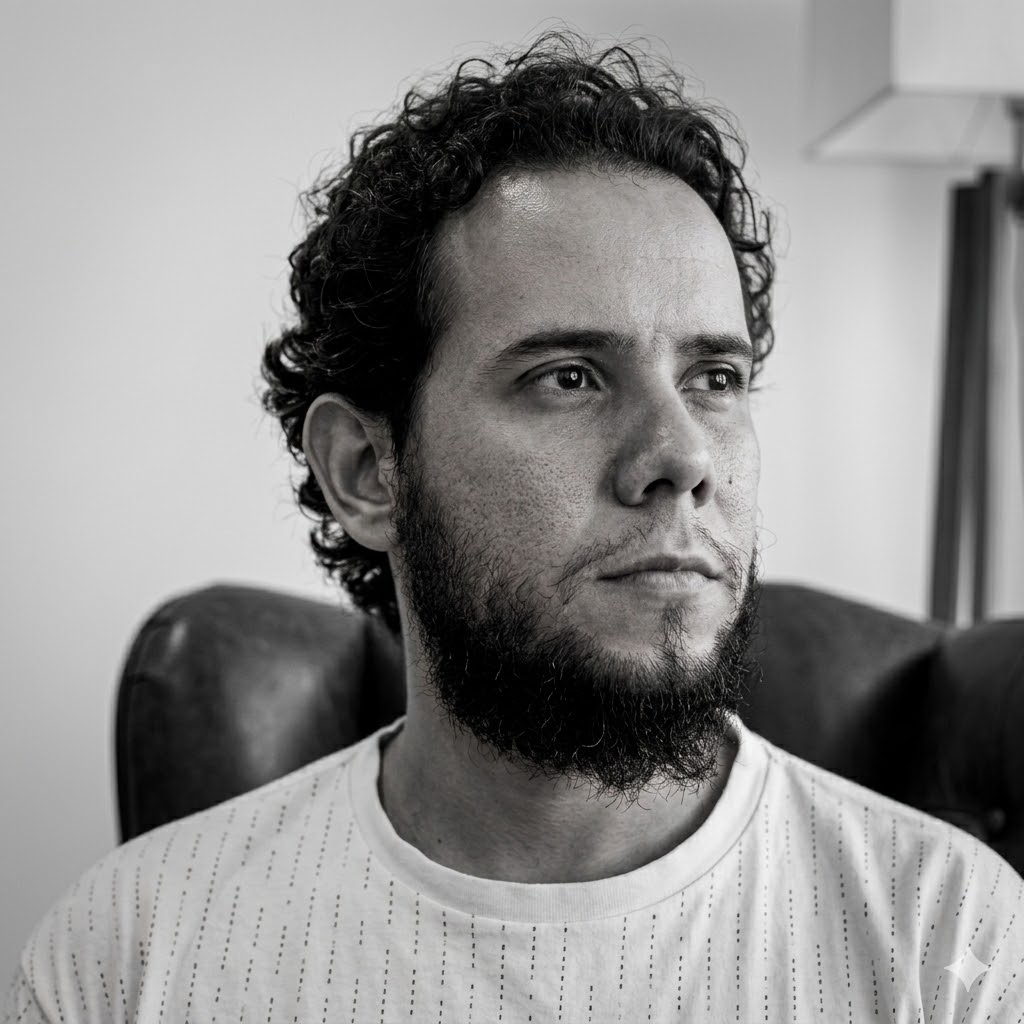
From Dialect to Dominance: How Dante Turned Florentine into Italian (LIVE)
This presentation explores how a regional vernacular spoken in medieval Florence evolved into the foundation of modern Italian—largely through the literary and intellectual influence of Dante Alighieri. At a time when Latin dominated as the language of culture, religion, and scholarship, the Italian peninsula was fragmented into dozens of local dialects with no unified standard. Dante’s decision to write the Divine Comedy in the Florentine vernacular was not merely stylistic; it was a radical cultural act that challenged linguistic hierarchy and redefined what a “worthy” language could be.
Drawing on Dante’s De vulgari eloquentia, this talk examines his vision of a refined vernacular capable of expressing complex philosophical and poetic ideas. It then situates his work within a broader cultural movement, highlighting the roles of Petrarch and Boccaccio in consolidating Florentine as a prestigious literary model. The presentation also traces the long path from literary influence to linguistic standardization, culminating in the Italian unification of the 19th century—when a shared language helped shape a national identity.
By comparing Dante’s impact with figures like Martin Luther and Cervantes, this talk argues that languages are not merely natural evolutions, but cultural constructs shaped by power, prestige, and artistic authority. Ultimately, it invites the audience to reconsider the relationship between language, identity, and influence in both historical and modern contexts.
I am a Brazilian language educator, polyglot, and international speaker focused on multilingualism and language acquisition. I speak over a dozen languages, with professional proficiency in several, and I specialize in helping learners reach high levels of fluency through structured and strategic approaches.
My academic interests include historical linguistics and language standardization. I have conducted in-depth research on Dante Alighieri, and I have read all of his major works in the original, which informs my perspective on the development of the Florentine vernacular into modern Italian.
I am also actively involved in the global polyglot community, sharing insights through talks and educational content focused on language, culture, and identity.
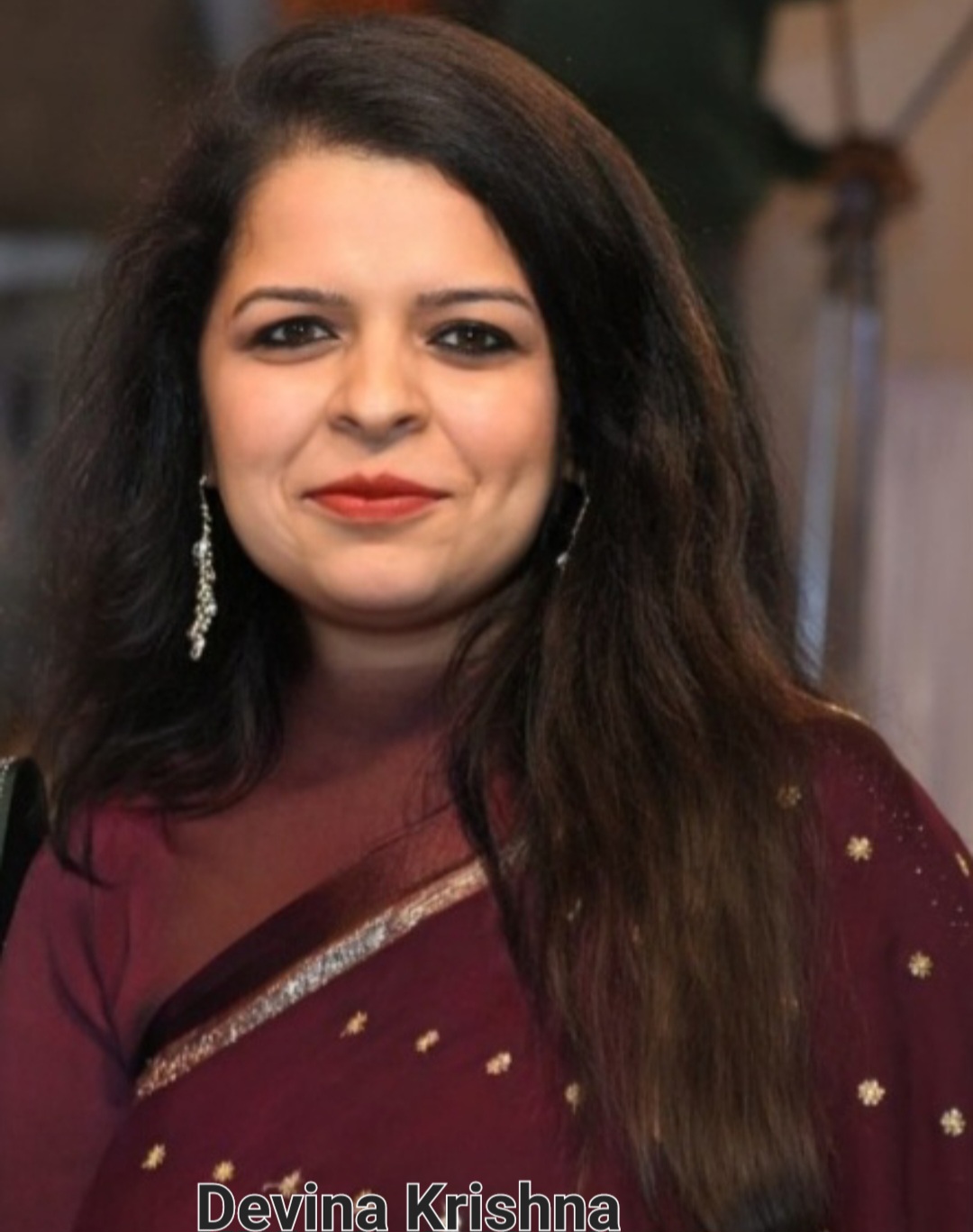
Preserving Angika Voices: Building a Speech Corpus for Oral Traditions and Cultural Heritage (LIVE)
This study proposes a framework for developing a speech corpus to preserve Angika oral traditions, focusing on documentation, analysis, and dissemination of traditional narratives, songs and folktales. It includes a multidisciplinary approach that integrates linguistic, anthropological, and computational methods to create a comprehensive Angika speech corpus. The objectives include recording and transcribing oral traditions from native speakers, conducting linguistic analysis to identify linguistic patterns, and creating a digital repository. The methodology involves data collection using digital audio recorders, transcription and annotation using software, and corpus development using standardized formats. The expected results include a comprehensive speech corpus, a digital repository, and insights into Angika's linguistic and cultural significance. This research contributes to language revitalization, cultural preservation, and linguistic research, promoting Angika's cultural heritage and linguistic diversity. The speech corpus will be a valuable resource for researchers, educators, and community members, ensuring the preservation of Angika oral traditions for future generations. By preserving these traditions, one can protect the community's cultural identity and promote linguistic diversity.
An exploring linguist and academic with roots in Himachal and upbringing in Patna, Dr. Devina Krishna excels as Assistant Professor in the Department of English at Patna Women’s College, India. An alumna of Lady Shri Ram College for Women, Delhi University and holding an M.Phil and PhD in Linguistics from Jawaharlal Nehru University with a specialization in Phonetics and Phonology, she pioneers research in phonetics, phonology, and language documentation—safeguarding invaluable linguistic data from India’s diverse speech communities. Notably, she secured seed grant for her groundbreaking project on vulnerable languages of Bihar, such as Angika and Bajjika focusing on language documentation and speech corpus development. She is also the coordinator for the add-on course of Spanish language and also coordinator for the PRAYAS (Promotion of Responsible Action for Youth and Society) Mentorship Program under Institutional Social Responsibility at Patna Women’s College. A global thought leader, she has delivered groundbreaking presentations, including on Lexical Tones in Western Indo-Aryan Languages at the South Asian Language Analysis Roundtable-35 (INALCO, Paris, France), alongside frequent keynote addresses at international symposiums and language festivals in Indonesia, Malaysia, and the Netherlands. Dr. Devina serves as a reviewer for the Scopus-indexed Jurnal Arbitrer (Universitas Andalas, Indonesia), has instructed research methodology at prestigious institutions abroad, and acted as resource person for over 50 high-impact national and international lectures on linguistics, research methodology, and the Indian Knowledge System. Her prolific scholarship includes numerous peer-reviewed and Scopus-indexed papers in leading journals. She has authored influential media articles for The Jehlam Times, The Asian Times, Morning India, Down to Earth on language, culture, and ecology. She has also featured prominently in reputable international podcasts such as Shhh, I'm Learning, The Future is Bilingual, The Speaking Tongues on Indian Linguistics. She had been the member of NAAC working committee and NIRF accreditation bodies. Currently, she advises as a UGC expert committee member on the Learning Outcome-Based Curriculum Framework. A registered resource person for Madan Mohan Malviya Training Centre, she specializes in delivering expert sessions on the Indian Knowledge System. Passionately advocating linguistic diversity, language rights, the language-ecology interface, and cultural preservation, Dr. Devina shapes the future of global linguistics.
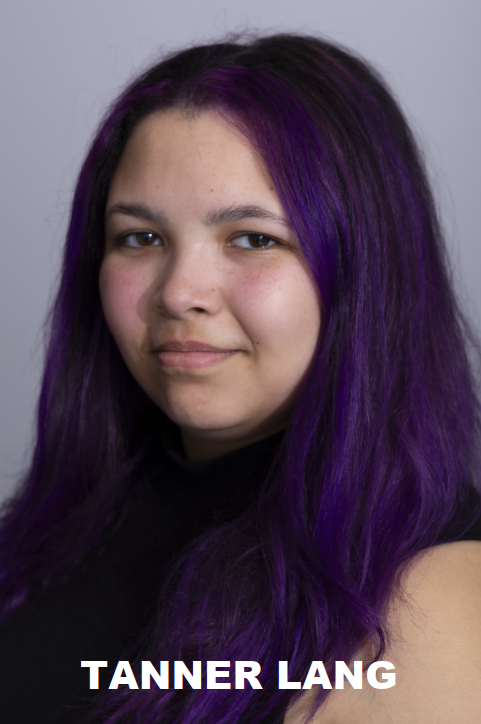
What Self-Taught Learners Can Teach Classroom Teachers (RECORDED)
With the rise of apps, online resources, and independent learners, thousands are successfully learning languages outside traditional classrooms. Rather than viewing this as competition, educators can learn from the strategies that make self-taught learners effective.
This session explores the key differences between classroom-based and independent learning, focusing on four core areas: learning for communication, system-based consistency, personalization, and tolerance for ambiguity. Attendees will gain practical strategies to incorporate these elements into their teaching, helping students move from passive recognition to active language use.
By bridging the gap between self-study and formal instruction, this talk offers a modern, practical approach to improving student outcomes in the language classroom.
Hi, I’m Tanner! I’m a lifelong language lover, study & music nerd, and self-taught polyglot-in-progress. I started a studygram and podcast to share my language learning journey, and tips I wish I had sooner. Right now, I’m focused on Japanese, Portuguese, Indonesian and Korean. I’m passionate about helping others make consistent, creative progress—whether you're learning for travel, culture, or personal growth. I've recently become a Japanese teacher and created my own course and business called Nova Nihongo. It's one of my favorite things.
I believe that the most powerful way to learn a language is through someone who has learned it themselves. As a lifelong language learner, I know firsthand the challenges, frustrations, and breakthroughs that come with the journey. This experience shapes how I teach and connect with students—because I’ve been exactly where they are.

The Localization Mindset for Language Learners (RECORDED)
Language learners are often trained to focus on grammar, vocabulary, and accuracy. However, effective communication depends on something deeper: the ability to understand how meaning shifts across contexts, cultures, audiences, and situations. This is where the localization mindset becomes a powerful learning tool.
In localization, professionals constantly adapt content so that it works for real users in specific contexts. They ask questions such as: Who is this message for? What does it need to achieve? Which assumptions from the source may fail in another cultural or linguistic environment? These same questions can help language learners move beyond literal translation habits.
This presentation introduces the localization mindset as a practical framework for language learning. It shows how learners can develop stronger awareness of tone, register, cultural references, and communicative intent. Through concrete examples, the session will highlight why “correct” language is not always effective, and how small shifts in phrasing can significantly improve clarity and naturalness.
Participants will leave with actionable strategies to apply this mindset in their own learning process: selecting more context-rich materials, identifying non-transferable expressions, and adapting their language more naturally to different audiences.
The session aims to reposition language learning not just as the acquisition of forms, but as the development of context-aware, user-centered communication skills.
Gabriela Kouahla is a certified bilingual translator (English>French<>Romanian), localization vendor, and founder of BEYOND WORDS LINGUISTIC SERVICES, the first Algeria-based localization agency dedicated to research content. With over a decade of experience, she specializes in marketing, technical, and scientific localization, working closely with international clients and researchers. Her work focuses on user-centered communication, cultural adaptation, and the practical realities of multilingual content. She is also a scientific proofreader for francophone researchers and a contributor to discussions on localization, communication, and AI in language services. Gabriela is the co-host of the podcast “PM vs. Vendor: Team Play for Success,” where she explores collaboration, communication, and professional dynamics in the translation and localization industry.
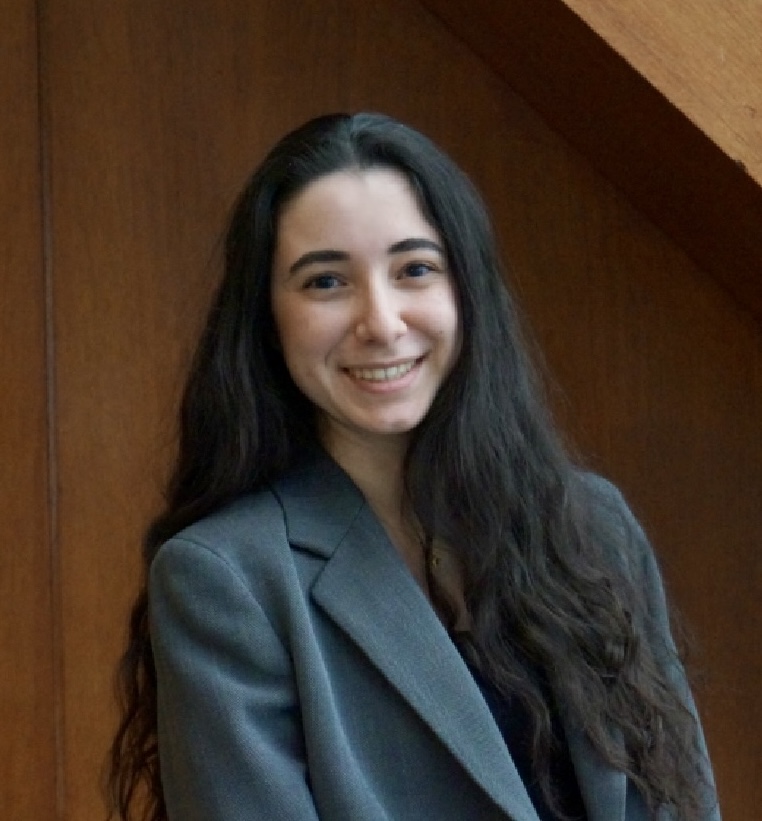
Learning languages through the language of the soul (LIVE)
Music is known as the language of the soul: it connects people across time and space, and is the only truly universal language we have. This presentation will explore how the language used in cultural music shapes the brains not only of its native speakers, but also how it alters the perceptions and learning experiences of non-native learners. Using engaging case studies and musical excerpts, the role of music in language learning will be examined from neuroscientific, cultural and social perspectives, looking at the impact of cultural music on children, patients with dementia and you, the language learners. The audience will leave with a better understanding of how languages shape our brains, but also with new tools to enrich their language learning through the language they already possess: that of music.
Overall thesis: Learning languages through music is the most effective way to grasp the nuances of a language and the mindset of its culture. After explaining key concepts including ethnomusicology and the Sapir-Whorf hypothesis, this talk will focus on case studies on how cultural music impacts the brains of children and patients with dementia to acutely illustrate the cognitive benefits in the populations where they are the most potent. Finally, I’ll tie it back to how the audience can harness what they’ve learned to use cultural music in order to improve their own language learning experience. Sample songs and lyrics will be used throughout to illustrate key points.
I am a university student studying honours neuroscience and philosophy. As a hyperpolyglot, I'm. highly passionate about discovering new cultures and connecting with people from around the world, and am fascinated by how the holistic language-learning process shapes the brain and our perspectives. Currently working on my German, I look forward to learning Japanese as a vehicle to continue her exploration of diverse worldviews. In the future, I hope to pursue a career as a doctor, using polyglotism to help me connect with patients in a multicultural society. As a classical pianist, I am also the founder of a cultural music therapy nonprofit, which I run alongside my studies.
.png)
The Polyglot Paradox: Is the Brain a Master Computer or an Interface? (LIVE)
The "Neural Efficiency Hypothesis" reveals that as we gain expertise, our brains often show less activity, not more. For polyglots and experts in different fields, common tasks within their domain trigger significantly smaller neural footprints than in novices. While novel problems still demand focused activation (and show better neural organization), the transition from effortful "declarative" learning to fluid "procedural" mastery results in a brain that appears “quieter” during high-level performance. If mastery is defined by a reduction in local neural labor, what is actually driving our skills? To solve this, we must look beyond standard linguistics which, for decades, has been trying to find “the language gene” in vain. With insights from philosophers like Bernardo Kastrup and biologists like Rupert Sheldrake, we can infer that the brain may not be the producer of thought, but its “reading instrument”. Perhaps it functions as a biological “tuner”. Questioning the theory more deeply, we will address phenomena that defy traditional neurobiology such as Foreign Accent Syndrome, hydro-cephalic patients with high IQs, and much more. I propose that as skills move into procedural memory, we begin optimizing certain channels of information. By reframing the brain as a gateway to a field rather than a hard drive, we may get closer to explaining why, when we are at our most fluent, our "hardware" seems to be doing the least—and why this fundamental shift in perspective matters deeply to polyglots, language lovers, and anyone seeking to unlock the true potential of the human mind.
Of Italian, Spanish, and Moldovan heritage, Juliana was born in Argentina in 1980 and has been based in France since age 18. She is currently a member of Luca Lampariello’s language coaching team. Holding a Master’s Degree in Linguistics and FLE (French as a Foreign Language), and passionate about Phonetics and pronunciation, she balances a professional career as an interpreter and trilingual (Spanish, French and English) educator with a decade of rigorous independent research.
Juliana’s research is defined by a multi-disciplinary approach, synthesizing biology, history, and neurology to challenge established linguistic dogmas. While staying grounded in scientific inquiry, she is known for venturing "off-campus" from academia when official theories fail to account for the anomalies of language. Her goal is to broaden the horizon of linguistic theory regarding the origins, evolution, and neurological mechanics of human speech.
Completely fluent in Spanish, French, and English, Juliana also navigates Russian (B2) and Chinese (A2). She is currently preparing a series of publications to share her findings on the non-linear evolution of language, phonosemantics and the "interface" model of the brain with the wider polyglot and linguistics community.
Talk With Your Body: Dance as Language in Yorùbá Culture (RECORDED)
In Yorùbá cultural contexts, dance functions not only as performance but as a system of communication through which social meaning is produced and negotiated. Movements of the body are used to perform actions such as inviting, teasing, mocking, celebrating, or displaying status. These meanings are not fixed; rather, they depend on context, songs, and the relationships between participants.
This presentation examines dance as a communicative practice shaped by cultural worldview. Yorùbá dance forms are structured by shared norms, beliefs, and aesthetic principles, such that movement reflects social values and collective experience. Central to this system is the interaction between sound and movement. In traditional contexts, the dùndún “talking drum,” which reproduces tonal patterns of Yorùbá speech, functions as a linguistic medium to which dancers respond. Performance thus operates as a dialogue between drum and body, where rhythm carries meaning and movement provides interpretation. In contemporary contexts, meaning is further shaped through engagement with song.
Drawing on examples from both traditional practices, such as bàtá performance, and contemporary social dance settings, this talk argues that dance can be understood as a structured yet flexible system of communication. While not a language in the strict linguistic sense, it involves recognizable movement patterns and context-dependent meanings shaped by cultural knowledge. Framed within a polyglot perspective, the presentation proposes that the body itself can function as a multilingual medium, capable of shifting meaning across contexts and audiences without reliance on spoken language.
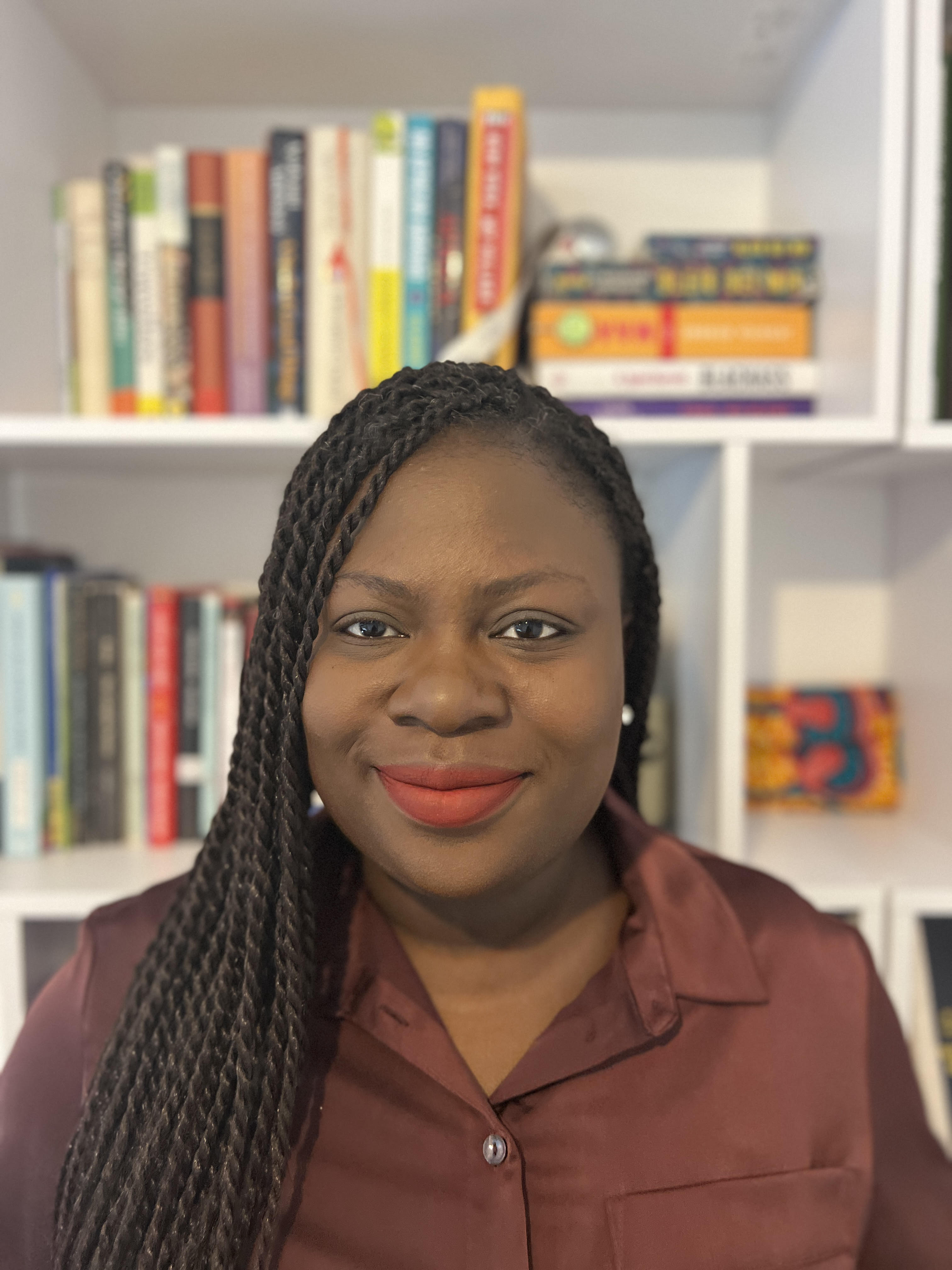
Bisola Ajibade is a Phd researcher in Modern German Literature at Humboldt Universität zu Berlin. She is also an associate lecturer of German at Arden University, Berlin. She previously worked as an Adjunct Lecturer at the University of Florida, where she taught German language courses as well as seminars on African cultures & literatures. Bisola earned her Master’s degree in German Studies from the University of Florida in 2022 and holds a Bachelor's degree in German and French from Obafemi Awolowo University in Nigeria, obtained in 2018. With over 11 years of experience, she has taught languages both virtually and in-person across Nigeria, the US, and globally. Additionally, Bisola has provided translation services for business, media, and sports companies in Côte d'Ivoire, Nigeria, Germany and the US respectively. Outside of her professional work, Bisola is passionate about traveling.
Utilizing AI-Powered Tools for Mastering Foreign Language Skills (LIVE)
This presentation aims to show how foreign language educators and learners can benefit from using AI-powered tools in the ESL classroom. Foreign language teaching and learning has become a priority worldwide and it must be made available to all, in the framework of equal opportunities. Learning a foreign language includes mastering vocabulary, grammar, pronunciation and developing four key skills - listening, speaking, reading, and writing. We will share the ways AI-powered tools can be used for creating effective educational content for improving a foreign language command: enriching vocabulary, training grammar, polishing pronunciation as well as fostering four language skills enhancement for achieving communicative competences.
Teaching English is now inclusive in nature, which means everyone is involved and nobody is left behind. We will also focus on integrating AI-driven tools in teaching foreign languages to learners with special educational needs. We will share some ways of using AI for creating educational activities in order to support effective learning and overcoming challenges in foreign language acquisition. Learners with diverse learning needs including visual or hearing impairments or specific learning difficulties will be involved in learning, they will become more motivated and independent, they also will be able to experience success and enhance their language skills.
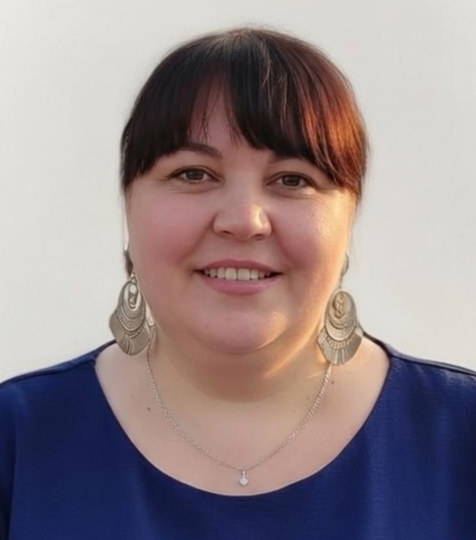
I am an ESL teacher from Ukraine. I have been teaching English for over 23 years at secondary school level at Dnipro Lyceum #144. I am IATEFL – Ukraine and TESOL – Ukraine member and Cambridge TKT certified teacher since 2013, CELTA (Grade B) certified teacher since 2017. I have taken part as a speaker in international conferences in Ukraine, Moldova, Bulgaria, Uzbekistan, Taiwan and Azerbaijan. My special subject of interest is using technologies for developing 21st century skills to empower students to be successful in life.
Regional Languages and Cultural Identity in Italy: Preserving Linguistic Diversity in a Globalised World (LIVE)
Italy is internationally recognised for its rich artistic and cultural heritage; however, its linguistic diversity remains equally significant. Beyond standard Italian exists a complex network of regional languages and dialects such as Sardinian, Sicilian, Friulian, and Neapolitan, each preserving distinct histories, traditions, and cultural identities. This paper examines the relationship between regional languages and cultural identity in contemporary Italy, exploring how linguistic diversity functions as a form of cultural memory and resistance within an increasingly globalised world.
Drawing upon sociolinguistic and cultural theories proposed by Benedict Anderson, Pierre Bourdieu, Antonio Gramsci, Stuart Hall, and Ngũgĩ wa Thiong’o, the study analyses how language operates within structures of power, representation, and identity formation. The paper argues that regional languages in Italy should not merely be understood as local dialects or remnants of the past but as living cultural systems that continue to shape social belonging and historical consciousness. Particular attention is given to the political distinction between “language” and “dialect,” revealing how linguistic hierarchies often reflect broader systems of cultural authority and marginalisation.
The paper further investigates the representation of regional linguistic identities in Italian literature, cinema, and music. Texts such as Elena Ferrante’s My Brilliant Friend and Giuseppe Tomasi di Lampedusa’s The Leopard, films like Gomorrah, and traditional Neapolitan and Sardinian musical forms demonstrate how regional languages continue to preserve local histories and cultural authenticity. The discussion also explores the role of digital media and contemporary cultural production in revitalising regional linguistic expression among younger generations.
By situating Italy’s multilingual landscape within broader global debates on language preservation and cultural sustainability, this paper highlights the continuing importance of regional languages as vital expressions of identity, memory, and cultural diversity in modern society.
Zahra Ahmad, an independent researcher has completed MA in English from Patna Women’s College (Autonomous). She has authored ‘My Stories’ vol. 1 and II, for primary schools. She has published and presented research papers both at the national and international levels. Her recent publications include poems in Setu Magazine, RIC Journal, Das Literarich, Live Wire and research papers in The Criterion, Motif, Langlit, Re-Markings, Sage and many other journals. She is an academic editor of the esteemed New Literaria Journal and a reviewer of The Expression: An International Multidisciplinary e-Journal.
Hacer amigos con las palabras: conexiones que nos ayudan a aprender
Aprender vocabulario no tiene por qué consistir solamente en memorizar palabras aisladas. Cuando una palabra nueva nos recuerda a algo que ya conocemos, esa conexión puede ayudarnos a comprenderla, recordarla y hacer que el aprendizaje sea más divertido.
En esta presentación exploro tres tipos de conexiones entre palabras: los “amigos de verdad”, donde existe una relación útil; los falsos amigos, donde una semejanza puede engañarnos; y los “amigos que creamos”, asociaciones que construimos de manera intencional a partir del sonido, la forma, lugares y nombres conocidos o nuestras propias experiencias.
A través de ejemplos del español, francés, inglés, chino y otras lenguas, veremos cómo podemos observar, comprobar y jugar con estas conexiones. La idea central es sencilla: una palabra nueva no tiene por qué quedarse sola; podemos conectarla con lo que ya sabemos y convertir el aprendizaje de vocabulario en un proceso más personal, curioso y memorable.
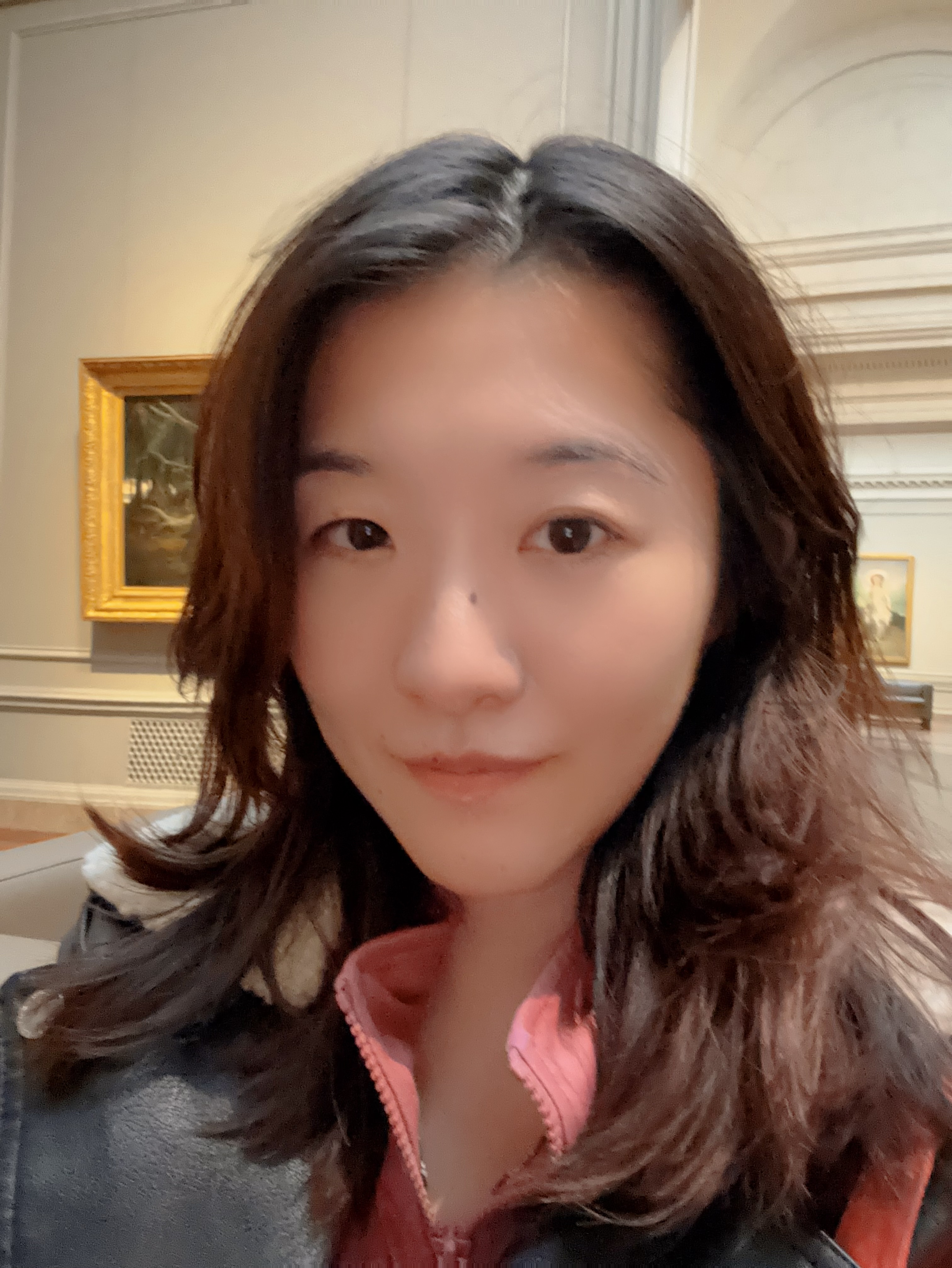
I hold master’s degrees in linguistics and computer science. My native language is Mandarin Chinese, and having lived in different regions of China, including Chongqing, I developed an early interest in linguistic variation and dialects. I majored in English in university and later moved to the United States, where I have lived for over a decade.
My language-learning journey continued with Spanish, which I began studying in 2023, and French, which I started learning in 2025. I currently study and use several languages and enjoy exploring not only vocabulary and grammar, but also phonetics, culture, history, and the ways languages influence human society.
I am especially interested in cross-language connections, multilingual learning strategies, and how language works in the human mind. My presentation grows out of both personal language-learning experience and a broader curiosity about how learners build meaning and memory across languages.
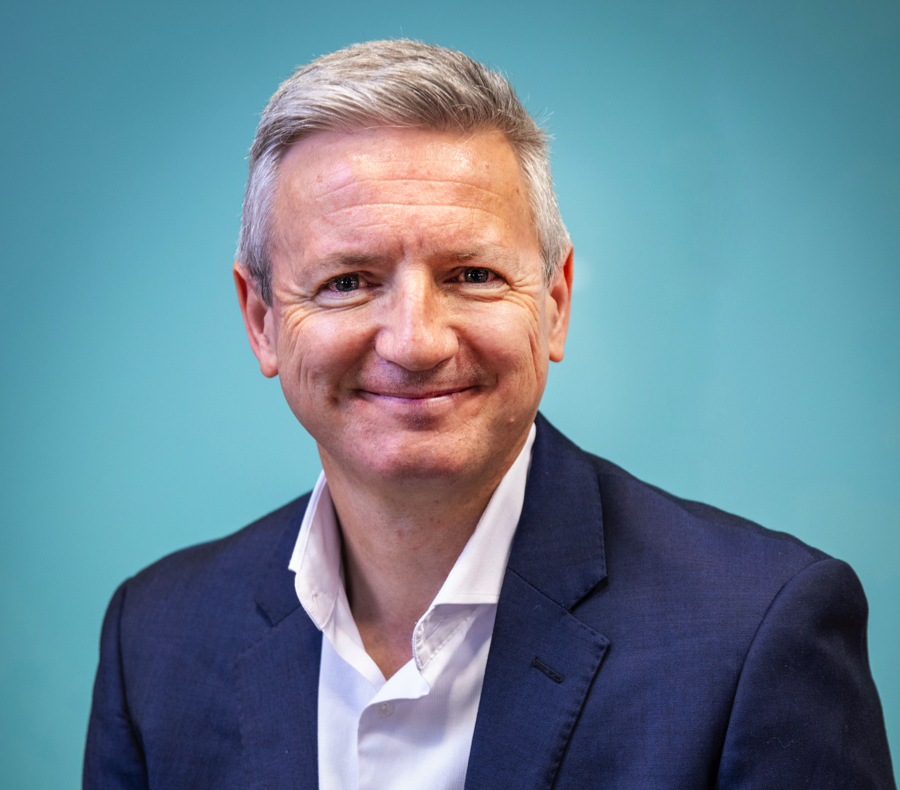
Lessons from Live Online Teaching: Professionalising the Future of ELT (LIVE)
Live online teaching transformed ELT long before COVID, yet much practice still reflects Emergency Remote Teaching. Drawing on teacher and tutor research, this talk explores practical aspects which facilitate effective live online learning. It also examines wellbeing, inclusive practice through UDL, alternative pedagogies for digital contexts, and the growing need for greater professionalisation in online ELT.
Paul Ashe is an educational consultant and teacher educator based in Spain but works globally. He has worked in ELT since 1997 and has extensive experience across the sector as a teacher, examiner, teacher trainer (online and face-to-face), academic manager, school director, materials writer, item writer and copy/editor.
Since 2004, Paul has specialised in academic and business management and consultancy, working with state and private-sector institutions, ministries of education and international organisations worldwide. As a teacher trainer, he has delivered and moderated a wide range of programmes, including CELTA, DELTA (specialising in ELT Management), TKT, and Trinity CertTESOL courses, Academic and Business Management, Business English and Customer Service Training all online. He is Young Learner & CLIL-qualified and works regularly with teachers in both public and private education systems.
Paul has significant experience in print and digital materials development and educational consultancy for major international publishers, including Cambridge University Press, Macmillan, Pearson, York Press and Richmond, across primary and secondary contexts. He is a qualified Copyeditor and Editorial Project Manager and a forum moderator and ELT SIG Coordinator for the Chartered Institute of Editors and Proofreaders as well as the webmaster for the IATEFL LAMSIG. Paul regularly talks at international conferences and publishes articles on academic management and live online teaching.
Check out Paul's e-CV: https://sites.google.com/view/paulashecv/home?authuser=0
Building My Forever: What Polyglots Can Teach Us About Designing a Life Through Curiosity, Consistency, and Lifelong Learning (LIVE)
Language learning offers far more than vocabulary acquisition — it provides a powerful framework for understanding growth, resilience, identity, and fulfillment. In this talk, I explore how the mindset and habits that sustain long-term language learning can also help us build more meaningful, grounded, and sustainable lives.
As a polyglot and lifelong language learner, I realized that my deepest fulfillment never came from reaching a final milestone or “becoming fluent.” Instead, it came from learning how to enjoy the process itself: discovering study methods that felt engaging, building routines that supported consistency, embracing mistakes as part of growth, and finding joy in gradual progress over time. This insight eventually inspired my broader “Building My Forever” philosophy — the idea that many aspects of life, including identity, confidence, emotional resilience, and self-trust, are not destinations we arrive at once and for all, but practices we continue developing over a lifetime.
Drawing from cognitive science, behavioral psychology, and personal experience, this session explores what language learning teaches us about motivation, habit formation, emotional regulation, self-compassion, and sustainable growth. Attendees will leave with practical insights on how to cultivate intrinsic motivation, build systems that support long-term learning, and design lives centered not only around achievement, but around curiosity, meaning, and continuous personal development.
I love how language connects us to common humanity. As a child, my parents weren't around but I was with my Nicaraguan neighbors. My mother's one rule: no English with my kids. To this day, I feel so honored to have been loved, accepted, taught, and cared for - and I continue to feel that fellowship each time I use my foreign language skills to connect with others. I have since studied other romance languages and German, but am far from fluent in all! I am a lover of learning and get to experience this joy as I practice my languages.
I studied Neuroscience and got my master's in Cognitive Science from Teachers College at Columbia University - I love learning how people process information! Through motivation, habits, and purpose, I enjoy applying these studies in my work as a public health speaker.
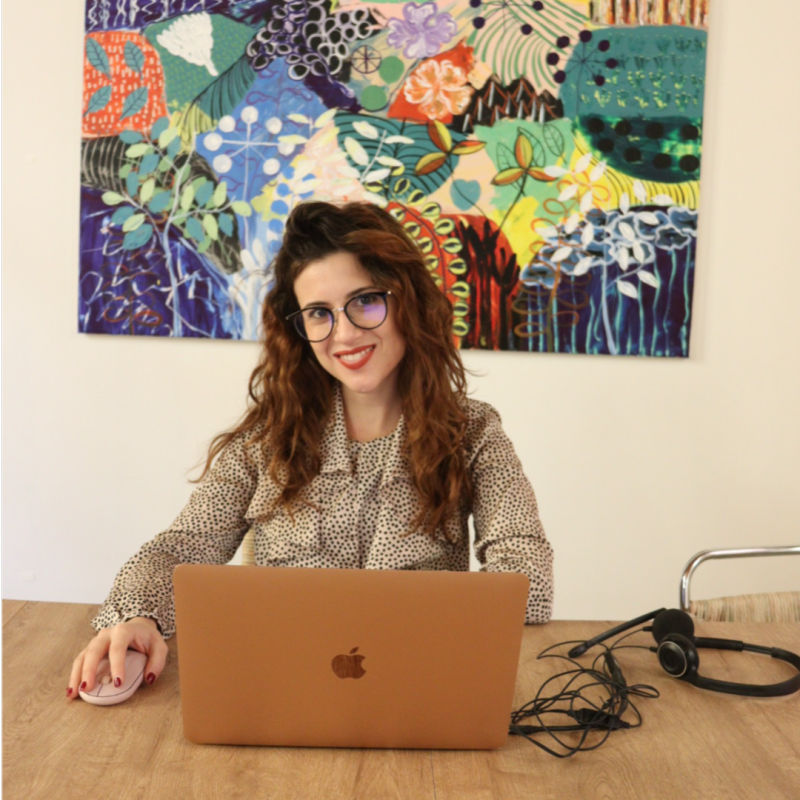
The soft skills language professionals need for the future. (RECORDED)
A talk about how linguists can move beyond traditional language services by combining linguistic expertise, soft skills, digital awareness and a strategic mindset to diversify their professional offer.
Digital Marketing Expert | Project Manager, In Love with WordsAfter a study experience in China and a Master’s degree in Strategy and Business Management, she began working in digital marketing, handling communication in all its forms. Today, she coordinates teams and manages multilingual projects with a results-oriented approach. Her motto is “If you put your heart to it, you can break up metal and rocks”.

Memory Palaces and Spaced Repetition for Language Learning (RECORDED)
This talk explores how the art of memory, particularly the use of memory palaces, can be combined with spaced repetition to support language learning. Drawing on personal experience, it will consider the value of memorising passages from important authors such as Cicero and Sallust as a way to develop a stronger sense of a language’s rhythm, idiom and rhetorical style.
The approach is particularly relevant to ancient languages, where memorised passages can provide models for imitation and prose composition. The talk will also examine how traditional mnemonic techniques can complement modern spaced-repetition methods to make longer passages easier to retain and recall.
The presentation will be delivered in Latin, with printed English and, where possible, Italian translations available to participants. It will also include a practical demonstration in which volunteers can try some of the techniques for themselves.
I am an online tutor, who teaches both individuals and groups through the inductive-contextual method (an input-based approach to ancient languages), and graduate student in Renaissance Studies at the University of Warwick, who also studies other languages, mostly Ancient Greek and Italian (though I have dabbled in German, Russian, and French).
Approaches to Teaching: Enabling Preventative Facework for Learning through Cultural Scaffolding (LIVE)
This talk explores how teachers can use cultural scaffolding to create learning environments in which students feel more comfortable participating, experimenting and making mistakes. It focuses on preventative facework: the strategies teachers can use in advance to reduce embarrassment, loss of confidence or social discomfort during learning.
Drawing on approaches to classroom interaction and intercultural communication, the session will consider how greater awareness of cultural expectations can help teachers frame activities, feedback and participation more effectively. It will offer practical ways to support learners while maintaining challenge, encouraging engagement and building confidence.
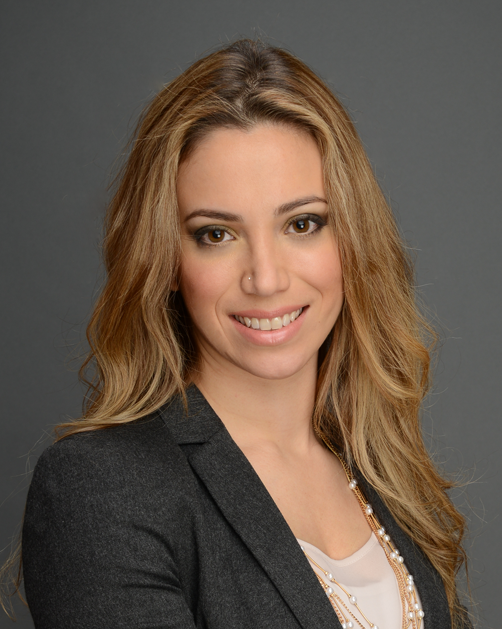
Barbara Lima is a writer, immersive educator, communication and narrative strategist and creative director with a background in linguistics, education, public speaking, publishing and multidisciplinary arts. She holds teaching certifications in English, French, and Brazilian Portuguese; has taught learners of all ages in three languages across six countries on four continents; and earned her Postgraduate Certificate in Education (International) from the University of Nottingham. Proficient in Portuguese, English, French and Spanish, and conversant in Chinese Mandarin, Barbara brings a deep cross-cultural perspective to her work. She has also studied Latin, Greek, and Italian and sees language as a bridge between cultures and a portal into both ancient stories and new realities.
%20-%20willin.jpg)
Beyond Grammar: How Real-Life Experiences, Technology, and Human Connection Can Transform Language Learning (RECORDED)
Language learning should move beyond memorizing grammar rules and vocabulary lists. In this presentation, I will share practical strategies that make language acquisition more engaging, meaningful, and sustainable through real-life experiences, technology, and human interaction.
Drawing from my professional journey as an English teacher, tourism professional, customer service specialist, and trilingual communicator (Spanish, English, and Portuguese), I will demonstrate how learners can build confidence by practicing English in authentic scenarios rather than relying solely on traditional methods.
The presentation will introduce practical techniques such as role-playing simulations, microlearning strategies, AI-assisted pronunciation practice, interactive games, and context-based activities inspired by everyday situations like traveling, ordering food, job interviews, customer service interactions, and international communication.
I will also discuss how digital platforms such as my educational project, Mister Willin ESL, can create a more motivating and inclusive environment for learners of different ages and backgrounds. My goal is to show that language learning is not about perfection but about creating opportunities for meaningful communication.
Participants will leave with practical tools they can immediately apply to their own language-learning journey or teaching practice. More importantly, they will discover how to transform fear, hesitation, and mistakes into powerful learning opportunities.
This presentation is designed to inspire learners and educators to embrace a more human-centered, technology-supported, and experience-based approach to language acquisition.
My name is William Montaño Hurtado, and I am a trilingual professional from Colombia with more than 15 years of experience in English education, tourism, customer service, hospitality, and international communication.
Throughout my career, I have worked as an English teacher in bilingual schools, a guest relations team member for Carnival Cruise Line in the United States, a trilingual consultant for multinational companies, and a bilingual sales and support coordinator. These diverse experiences have allowed me to understand language learning from both academic and real-world perspectives.
I am also the creator of Mister Willin ESL, an educational project focused on making English learning more accessible, practical, and engaging through technology, interactive activities, and real-life simulations.
My professional mission is to help learners overcome the fear of speaking a new language by creating safe, motivating, and enjoyable learning environments. I strongly believe that language learning should connect people, cultures, and opportunities rather than simply teach grammar rules.
My interdisciplinary background in education, tourism, customer service, and international communication allows me to bring a unique perspective to language learning that combines practical experience, cultural awareness, and innovative teaching strategies.
I am passionate about lifelong learning and committed to helping people develop the confidence to communicate globally.